When Carla Beebe Comey, Teaching Faculty in Antioch’s Education programs, attended the World Waldorf Teachers’ Conference in Switzerland in 2023, she expected to exchange ideas with fellow educators from around the world. What she did not expect was that a workshop conversation would help launch an international movement in inclusive Waldorf education.
“Clearly, there is a need for this work in the world today.”
“Often it is the informal encounters at such conferences that lead to the deepest connections,” Comey said. “That was true for me.”
At the conference, Comey met Tanzanian educator Janet Manoni. Their first conversation centered on a powerful question: how could Waldorf education, originally founded in Europe, become “more African”?
After the conference, Comey visited Manoni’s Mama na Mwana Foundation outside Dar es Salaam. The school serves children from the local village and those with spina bifida, cerebral palsy, and hydrocephalus in an inclusive environment.
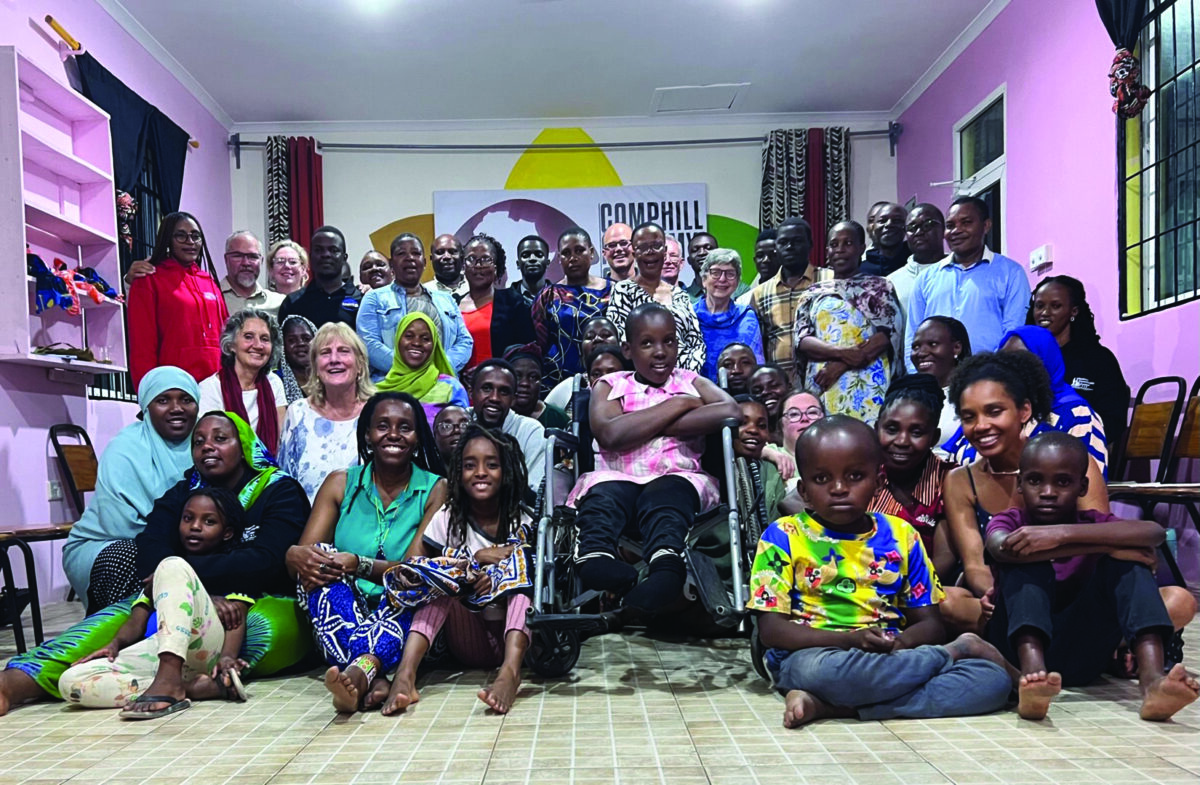
“During my visit, I witnessed remarkable work,” Comey said. Discussions with Manoni led to the idea of training teachers for inclusive Waldorf classrooms in East Africa.
Manoni had already spent years building inclusive educational opportunities in Tanzania. Her work in Waldorf education and advocacy for children with disabilities led her to found the Mwanangu Special Waldorf School in 2017, which later became the Mama na Mwana Foundation. The school integrates children with disabilities into classrooms and community life in ways that remain uncommon not only in Tanzania, but internationally.
Comey and Manoni soon broadened their vision. They recognized the need for support from Waldorf, Camphill, and educators across Africa. Connections with colleagues in Rwanda and Botswana quickly developed around similar inclusive education goals.
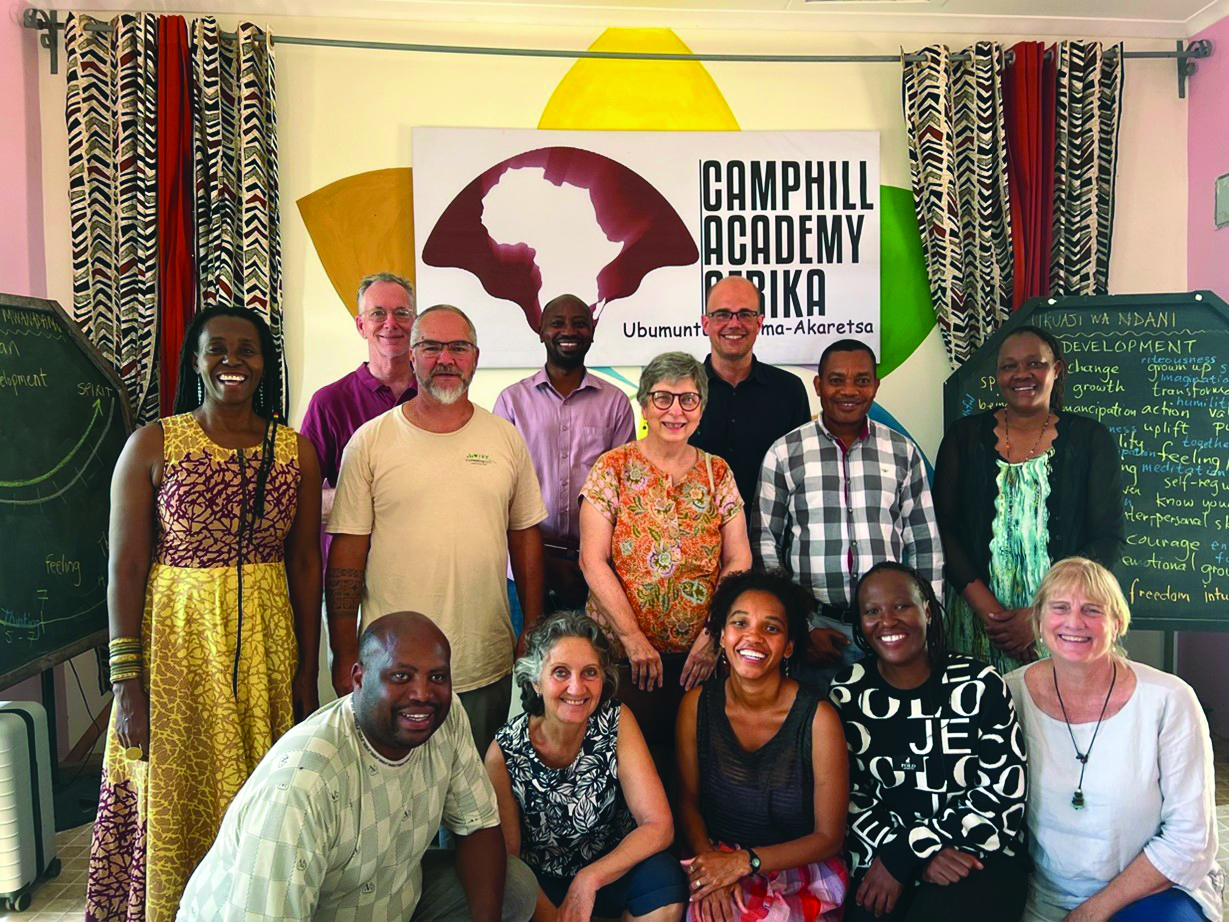
In February 2024, eight educators and organizers from five organizations gathered in Rwanda to determine whether they could create a common vision. The group included representatives from the Ubumwe Community Center in Rwanda, Mama na Mwana Foundation in Tanzania, Camphill Community Trust in Botswana, the Center for Anthroposophy at Antioch University, and Camphill Academy in the United States and Switzerland.
“We began by asking each organization about its needs,” Comey said. “It quickly became clear that inclusive education was the shared dream.”
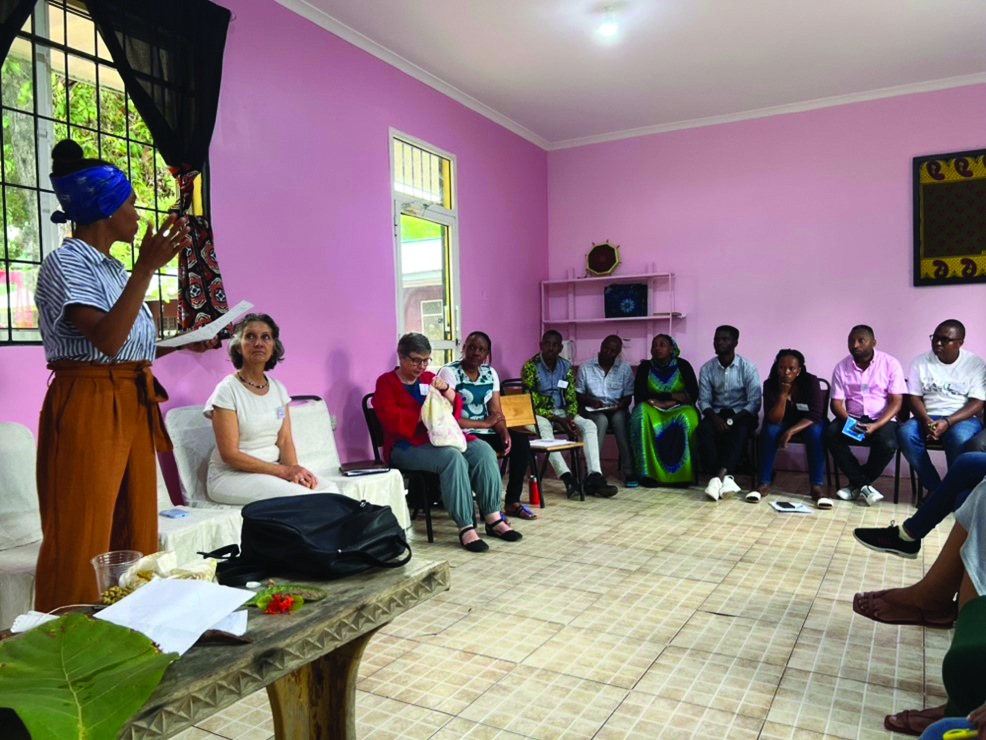
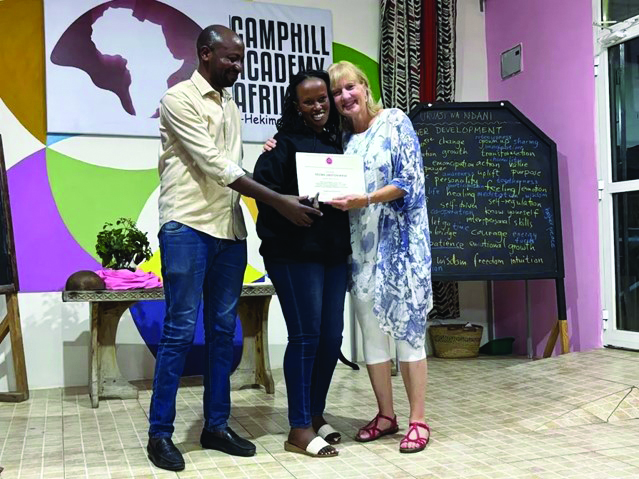
During that intensive planning week, the group developed the foundation for what would become Camphill Academy Afrika: a three-year training program for educators working in inclusive Waldorf classrooms throughout East Africa. The initiative combines Waldorf education, anthroposophy, and African-centered approaches to community, healing, and learning.
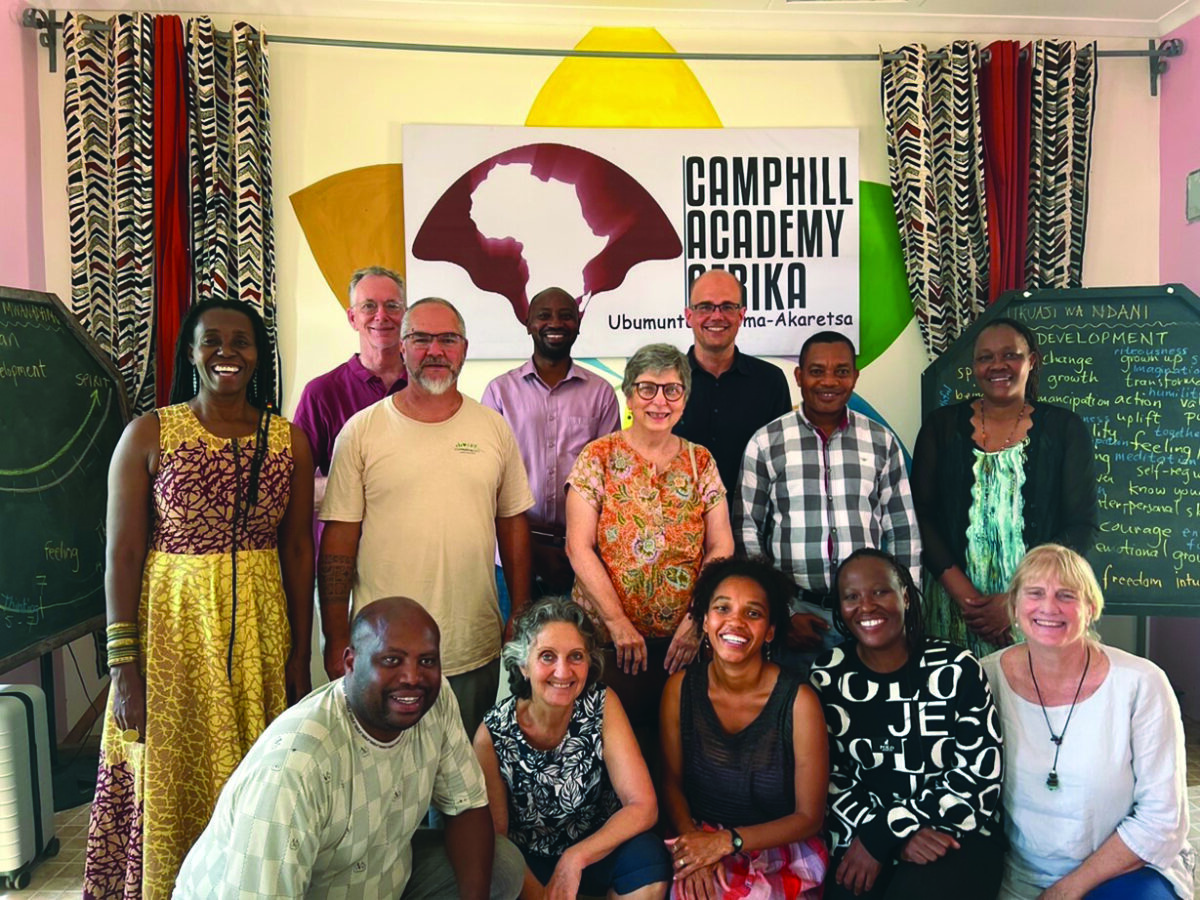
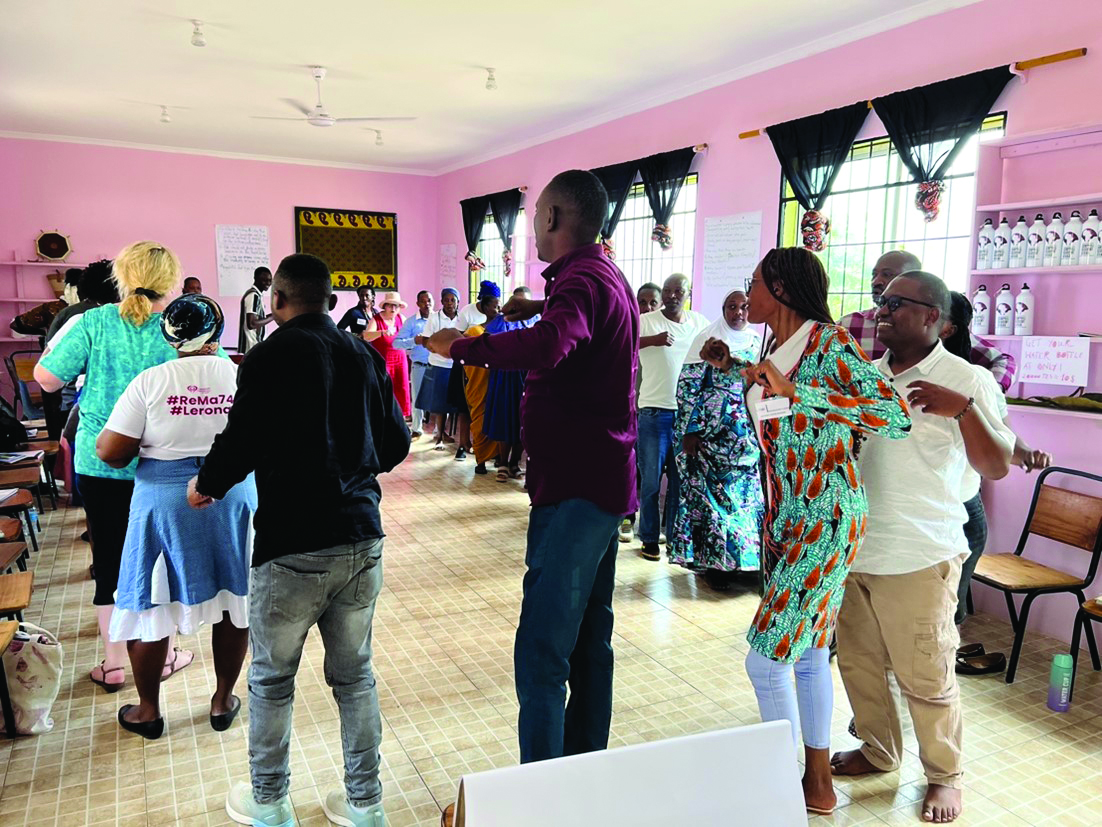
The project quickly moved forward. By July 2025, fundraising and partnerships made it possible to launch the first pilot module, hosting a residency in Tanzania with 31 participants and 13 faculty. A second residency took place in Rwanda in January 2026.
“It’s hard to believe that the stars were aligned such that Janet and I met that day,” Comey reflected, noting that within just three years the program had expanded across three countries and continents. “Clearly, there is a need for this work in the world today.”
The residencies blend instruction, community-building, and cultural exchange. Educators attend classes, visit hospitals for children with spina bifida and hydrocephalus, and share meals and stories around evening fires. Deep collaboration and relationships grow beyond the classroom.
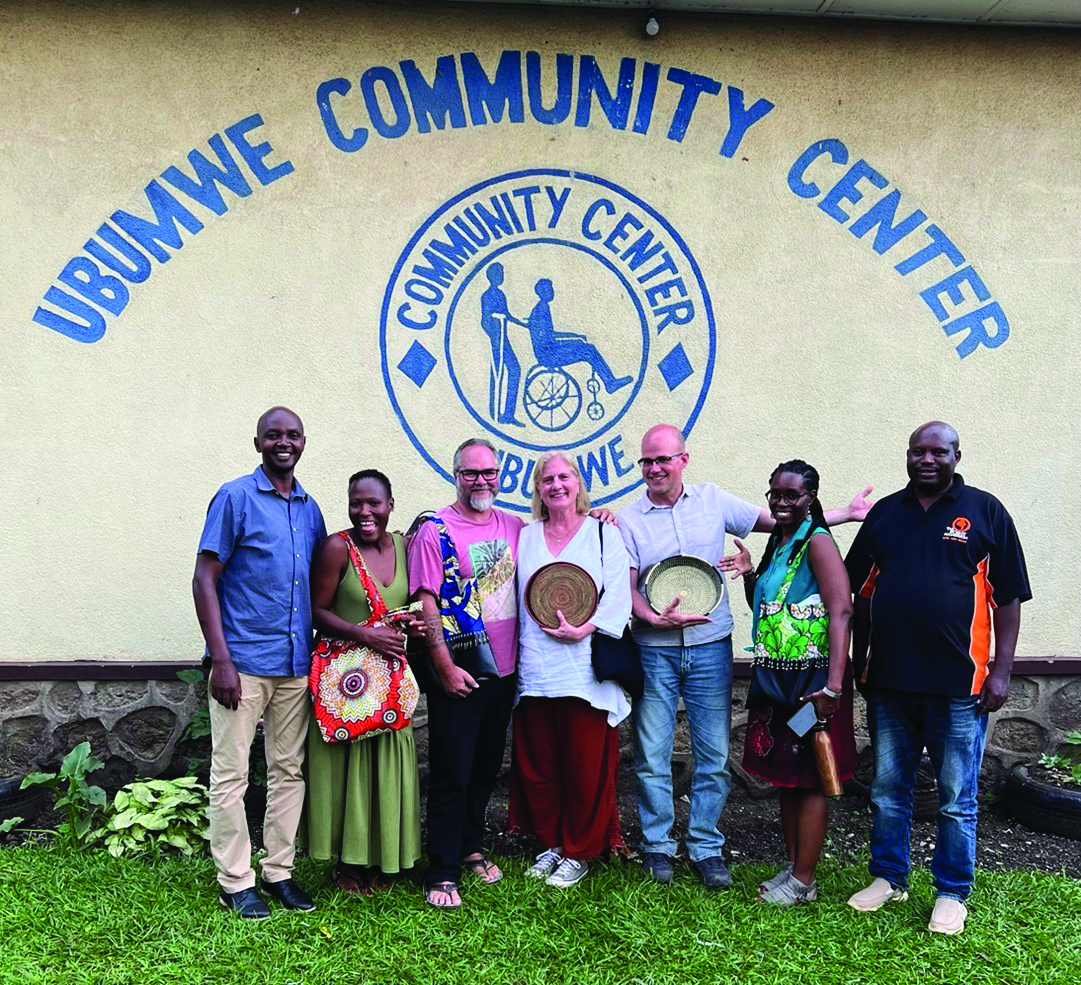
For Comey, the project’s long-term vision is equally important. “Our long-term vision is for this program to be held fully by our African colleagues in the future,” she said.
Today, Camphill Academy Afrika stands as a growing example of what can emerge from collaboration rooted in shared purpose, inclusion, and cultural reciprocity. What began as a conversation between two educators has become an evolving international partnership dedicated to reimagining education through the lens of community, belonging, and locally rooted wisdom.
Edited by Karen Hamilton from an essay by Carla Beebe Comey