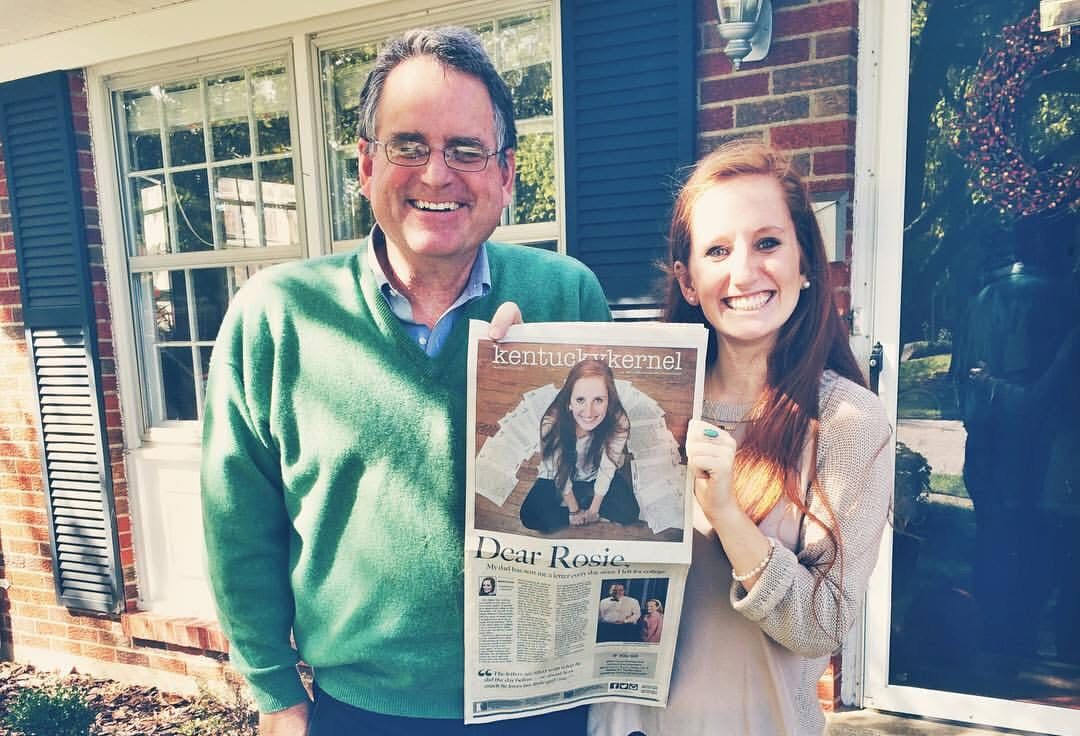

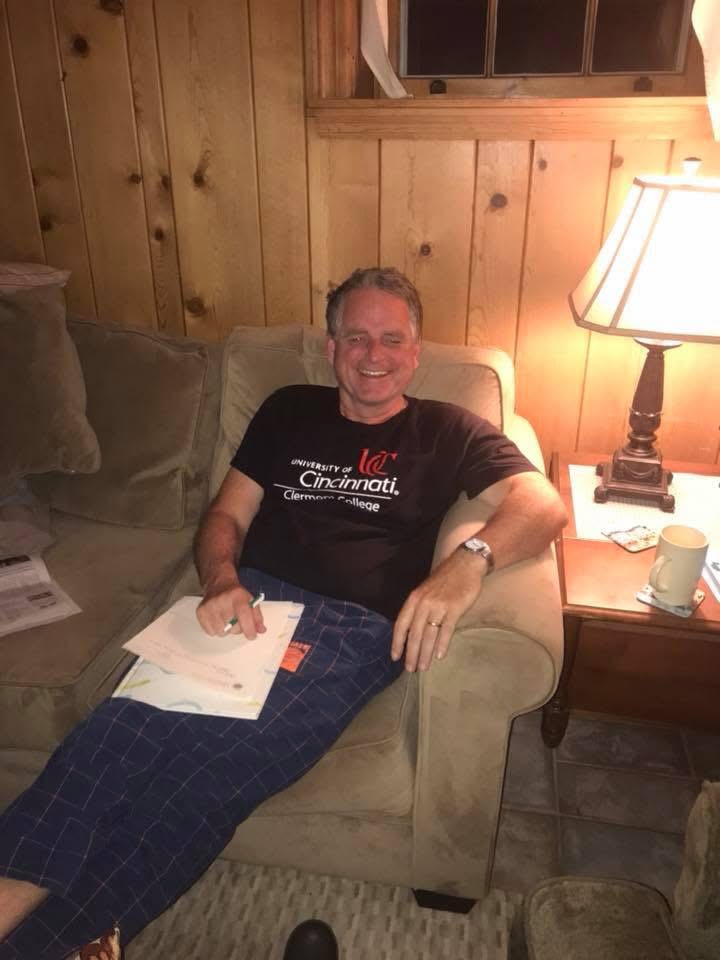
Every morning, Buz Ecker ’25 (GSLC, PhD) sits down to read letters from strangers around the world. Some letters are hopeful. Many are heartbreaking. But no matter the content, he responds to each letter by hand. He is, after all, the lead dad on the Dad Letter Project.
A Need Heard Everywhere
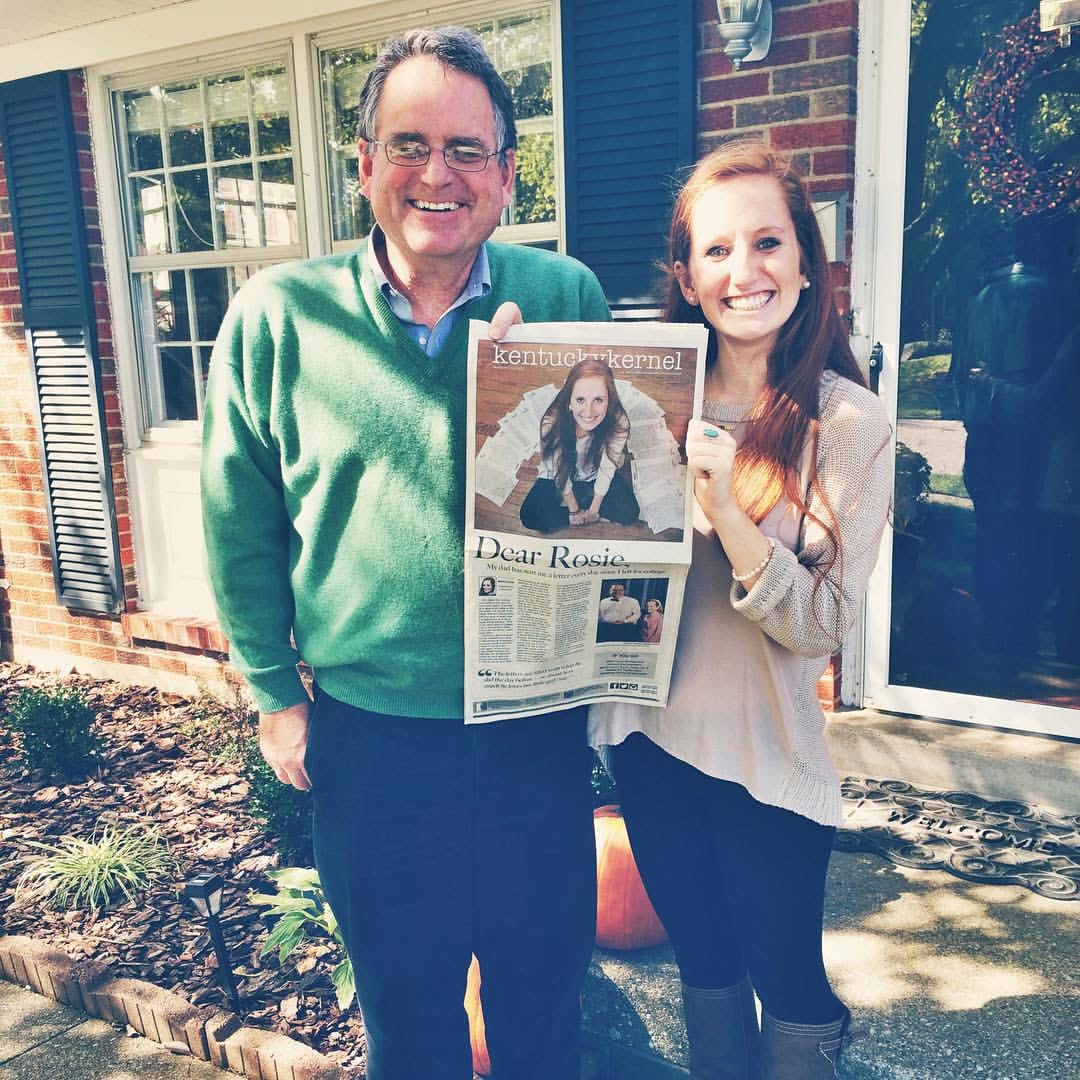
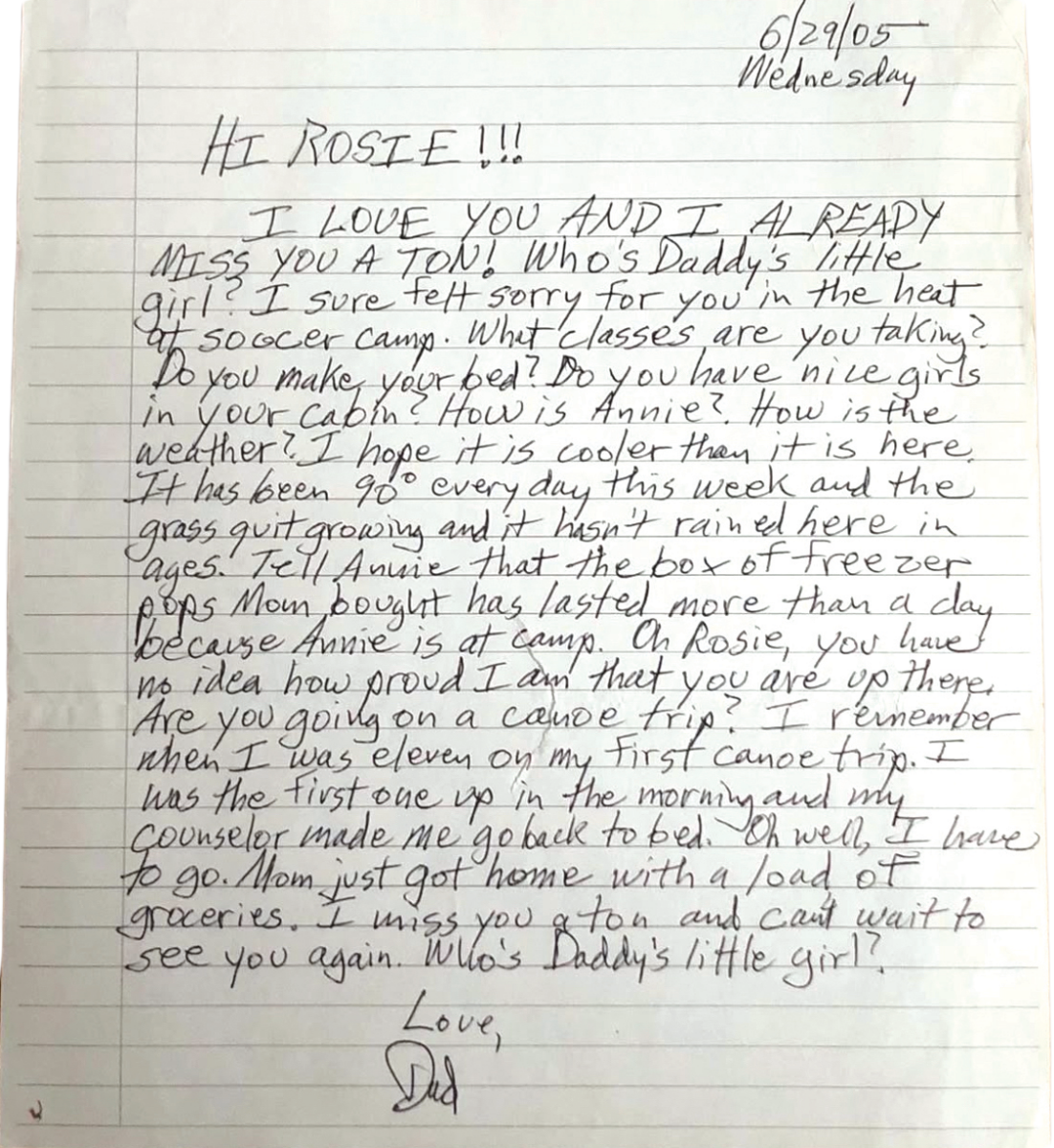
Since launching the Dad Letter Project in July 2025, Ecker has written over 2,100 responses to letters he has received. His initiative connects those seeking encouragement from a ‘father figure’ with volunteers who write supportive letters. What began as a small experiment between Ecker and his daughter, Rosie Paulik, has grown into a nonprofit with a board of directors and over 20 volunteer dads responding to requests.
Even with all these efforts, the team remains thousands of letters behind. Messages arrive from across the U.S. and the world. Many are from women who describe childhoods full of silence, rejection, or abuse. Others mourn fathers lost too soon. “Some of the stories are heartbreaking—abuse, neglect, abandonment,” Ecker says. “I had loving parents. Not everyone did.”
One recent letter was from the mother of a nine-year-old boy who was blaming himself for his father’s suicide. Another came from a woman whose father died in Vietnam when she was only three, leaving no letters. Ecker now carries her name in his wallet, hoping to find a Vietnam veteran to write to her, so she can finally hold something from a father figure.
Ecker writes 10 letters a day, seven days a week. Some are brief notes; others require careful words that acknowledge pain without overstepping and offer compassion without platitudes. “It’s draining,” he says quietly. To cope emotionally, he relies on routine, riding his bicycle nearly every day. “Exercise helps,” he says. “That 90 minutes on the bike releases the tension.”
“Some of the stories are heartbreaking: abuse, neglect, abandonment. I had loving parents. Not everyone did.”
From TikTok to Movement
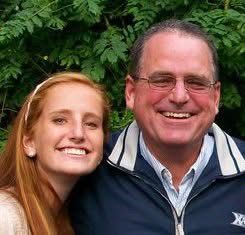
The project’s origins trace back to July 2025, when Paulik posted a TikTok suggesting that her dad would write supportive letters to anyone who needed encouragement from a father figure. Within hours, over a thousand requests flooded in—a spontaneous gesture that revealed a widespread need for affirmation, guidance, and connection. Media attention soon followed. The project has been featured in national outlets, including ABC News, The Washington Post, Good Morning America, and on Today, where host Savannah Guthrie was moved to tears as she reflected on her own loss of her father when she was only 16.
Even as its visibility has grown, the heart of the Dad Letter Project remains unchanged: writing letters that resonate with people in need of connection and support.
A Life in Letters
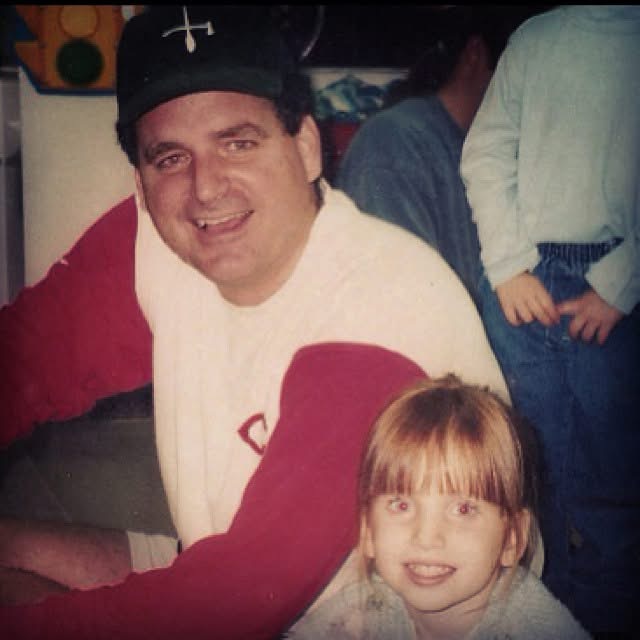
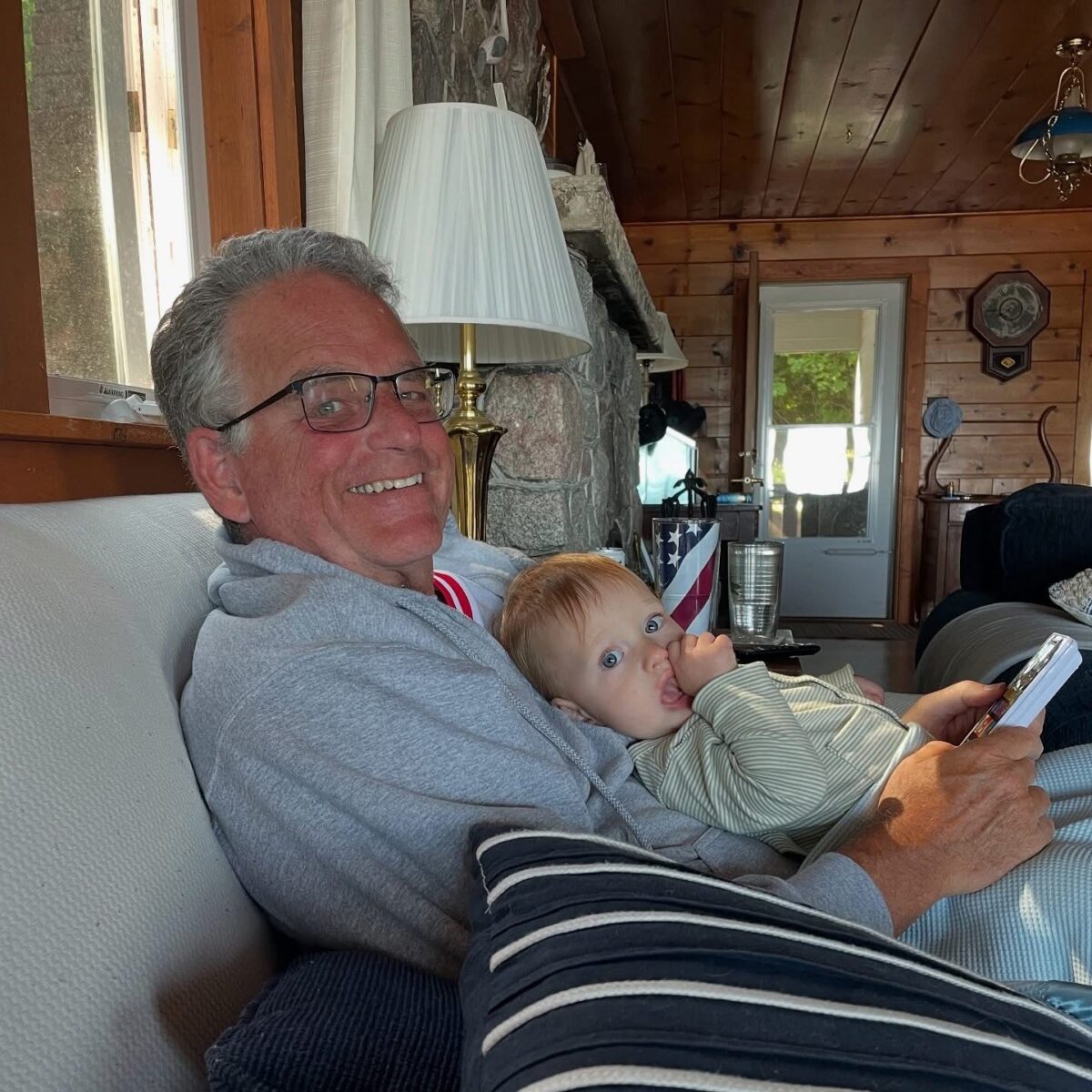
This commitment to letter writing did not begin with the Dad Letter Project. Long before, writing letters had already been woven into Ecker’s life. “My mother wrote to me every day when I was at camp,” he says. That steady rhythm of connection stayed with him. When his own children were away from home, he wrote to them regularly. Later, he wrote to his grandchildren. For Ecker, writing letters isn’t a public performance. It is simply how he shows love.
At the heart of the Dad Letter Project is Ecker’s relationship with his own father, a World War II veteran whose influence continues to shape his life. When his father died, Ecker experienced something that deepened his sense that relationships endure beyond loss. “I believe our fathers remain with us,” he says. Even now, he still talks to him.
That belief informs the advice he offers to many of the people who write to him. “Fathers must make sure their children know they can come to them with anything, no matter what,” he says. It is simple guidance, but for many of the people writing to him, it is something they never heard growing up.
One Letter at a Time
Ecker also brings a scholarly perspective to the work. His 2025 Antioch dissertation was titled “A Mandate for Healing: A World War II Vet Meets a Vietnam Vet in the Screenplay, Chinook with an Essay on War Screenplay Research.” It includes the screenplay Chinook, which tells the story of a Vietnam veteran and a World War II veteran who meet in a nursing home. The story was inspired by Ecker’s own father.
Two mentors in particular shaped his writing and worldview: Carol Barrett, his Antioch dissertation chair, and Sharon Burns, his department chair at the University of Cincinnati, where Ecker served as an adjunct professor. He credits them with helping him develop the empathy and attentiveness that now guide his letters. Those skills matter.
His responses to the letters are not generic affirmations. Each letter is tailored to the person who wrote in. He reads carefully and responds thoughtfully, often reflecting back what he hears in the writer’s story. Sometimes, if the moment allows, he adds humor. “Humor matters too,” he says. “If someone gives me an opening, I use it.”
At home, Ecker keeps a thick binder filled with responses from people who have received letters through the project. “We keep every letter,” he says. “They mean everything.” The binder is evidence: people who had once been unseen were reminded that someone cared enough to listen.
“A friend said I’m changing the world one letter at a time,” Ecker says. “That’s what I’m trying to do.”
For those hoping to receive a handwritten letter, requests can be submitted through the project’s website, dadletterproject.com, where individuals can share a bit about themselves and what they’d like the letter to focus on.