
Antioch University has been furthering the education, research and practice of environmental justice for almost six decades. Our Environmental Studies Department, founded at Antioch University New England in 1972, is one of the oldest environmental studies graduate program in the country, and our accredited environmental education concentration in the MS in Environmental Studies program remains one of the only such programs in the country. Thousands of graduates have successfully completed their master’s and doctoral degrees, taking their education, training, and experience to communities across the country and globe. Furthering “social, racial, environmental and economic justice” is Antioch’s mission—and what Antiochians do.
That brings us to a moment of celebration during challenging times: in Spring 2026, Antioch received a $1.5 million anonymous gift from a former student and longtime supporter that will have a transformative impact on expanding student access to our Environmental Studies graduate programs. Divided into two parts, the gift sends $1 million to expand the Tom Wessels Environmental Scholarship, providing critical support to academically accomplished graduate students pursuing environmental studies grounded in justice, systems thinking, and applied research. The other part of the gift is $500,000 to establish the Peter Palmiotto Conservation Fund, ensuring long-term stewardship and justice-centered learning at the 81-acre Glover’s Ledge property. The University has stewarded the forest since it was donated to Antioch in 2014, and since that time core faculty member Peter Palmiotto has managed it. The Fund’s annual returns will be split evenly between student support and care of the land itself.
The gift is a tremendous example of our supporters’ commitment to investing in environmental justice at Antioch. As President Lori Varlotta says, “One of our priorities is mobilizing donors and foundations who believe in education that advances environmental responsibility, social justice, and democracy-in-action. This investment affirms Antioch’s educational model and the collaborative stewardship that builds donor trust and benefits students.”
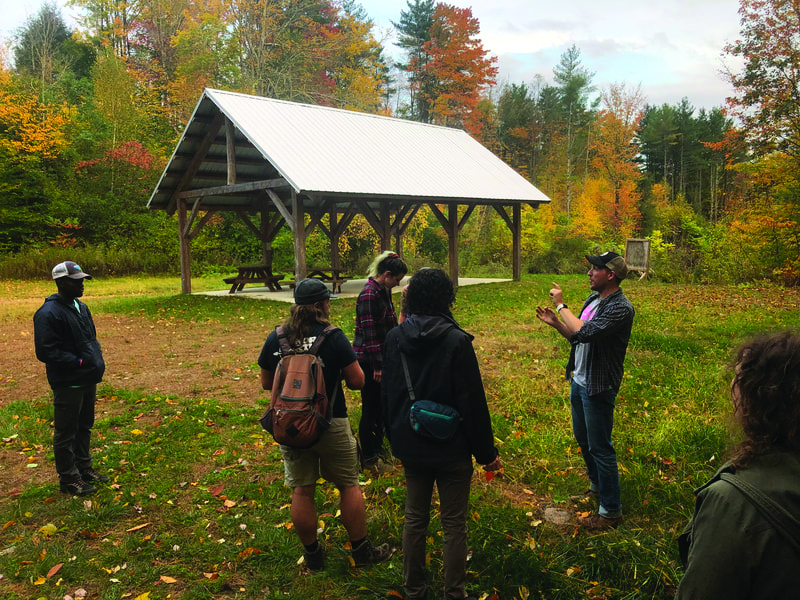
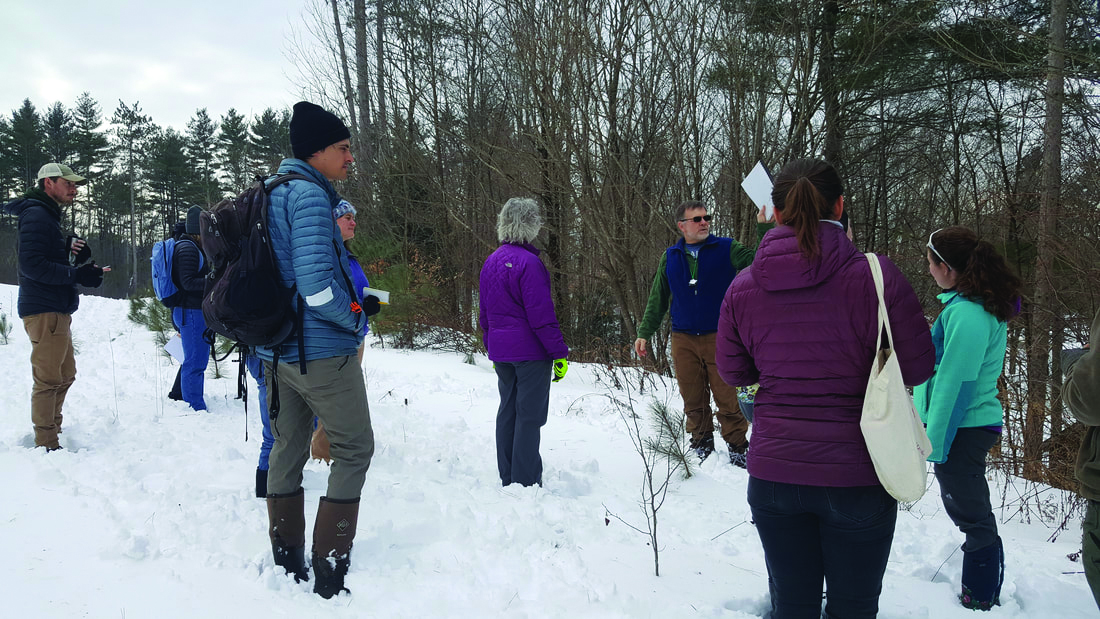
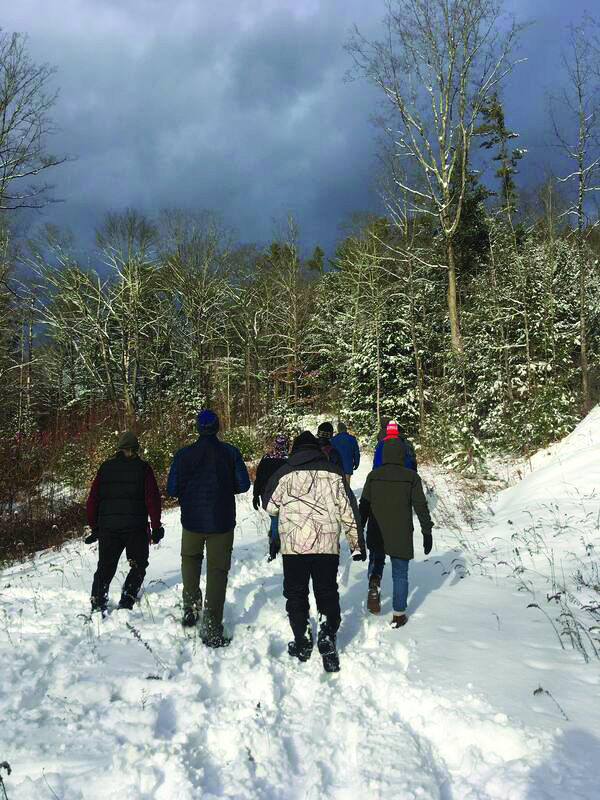
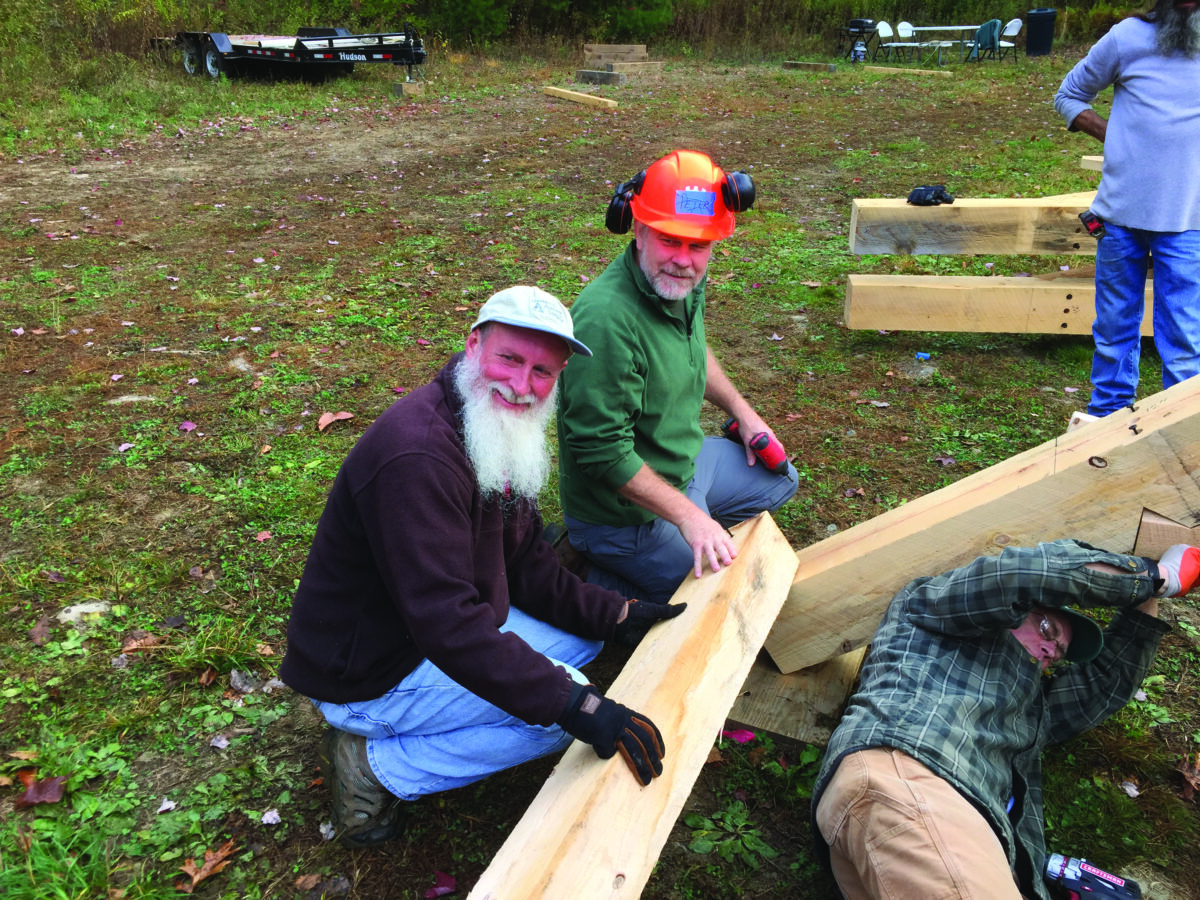
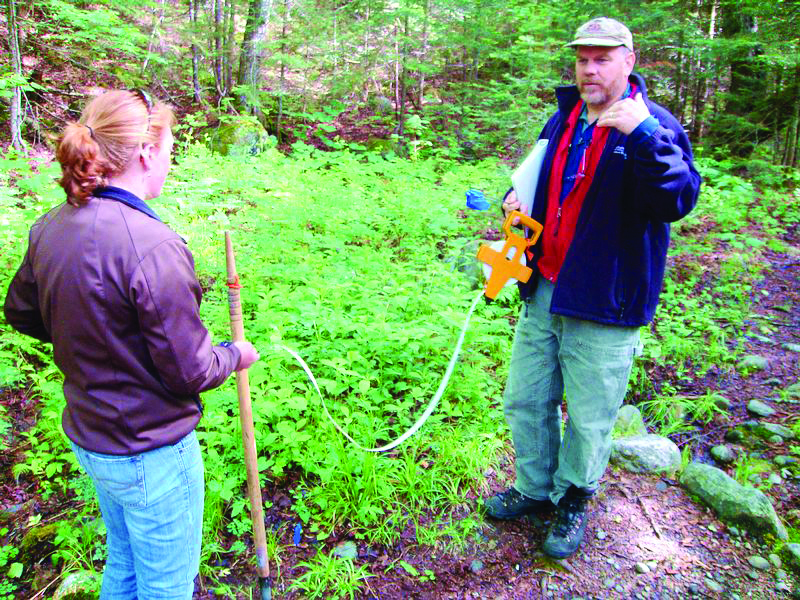
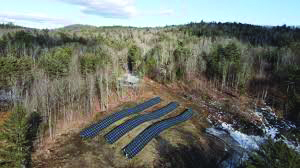
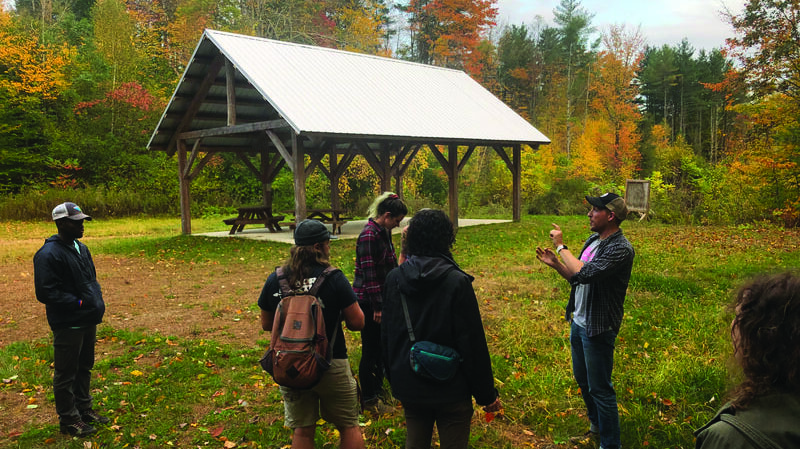
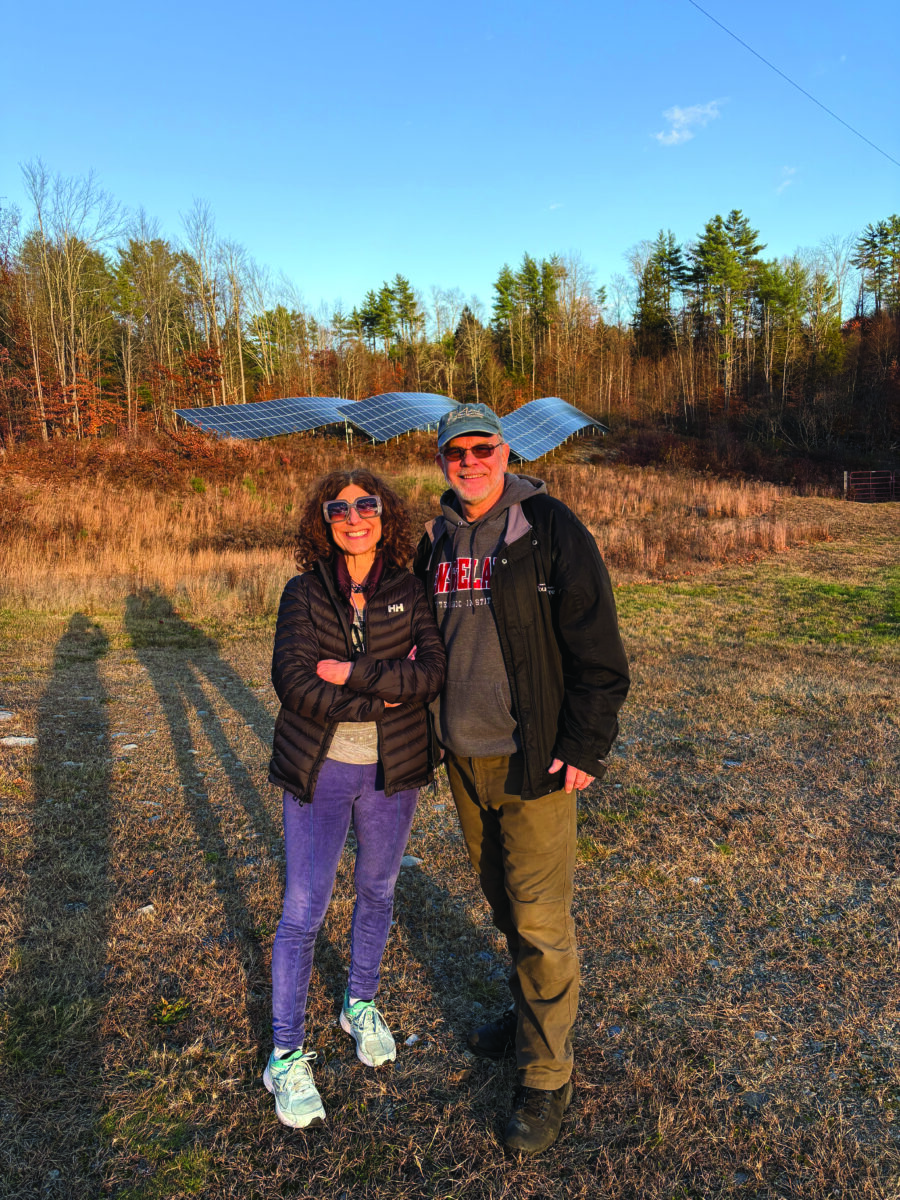
Over the past 12 years, Glover’s Ledge has remained true to its purpose and expanded its programming. In collaboration with Revision Energy, a solar array was installed in 2021 to provide general-use electricity for the regional power grid and to provide clean energy for Antioch’s onsite solar-powered classroom. The array, along with other natural elements and built infrastructure (e.g., a pavilion), creates a functional outdoor classroom where students learn about natural ecosystems and broader-scale environmental topics, such as climate change. The array itself, with its public solar monitoring feed, generates data that can be used in graduate classes and projects.
And there’s much more ahead. Antioch has a vision to do more if additional funds can be secured. The first step in that vision is to explore the purchase of the solar array. The original solar array lease provided Antioch the option to purchase in December 2026. Such a purchase could provide a steady stream of income to support Glover’s Ledge operations and student learning. The subsequent step could be the expansion of the on-site student support facilities that are envisioned to include a kitchen, bathroom, and overnight accommodations. As Palmiotto notes, “Purchasing the array and generating the projected revenue will set us on track to achieve our 20-year vision to establish a Center for Wildlife and Forest Education. This would be modeled on two other New Hampshire centers, the Harris Center for Conservation Education in Hancock and the Hooper Institute in Walpole. This will help us be able to continue to serve the Antioch community and more intentionally serve the local schools.”
Plans to develop Glover’s Ledge as a place where overnight stays are an option will also support the low-residency programs and summer institutes that are developing across the University.
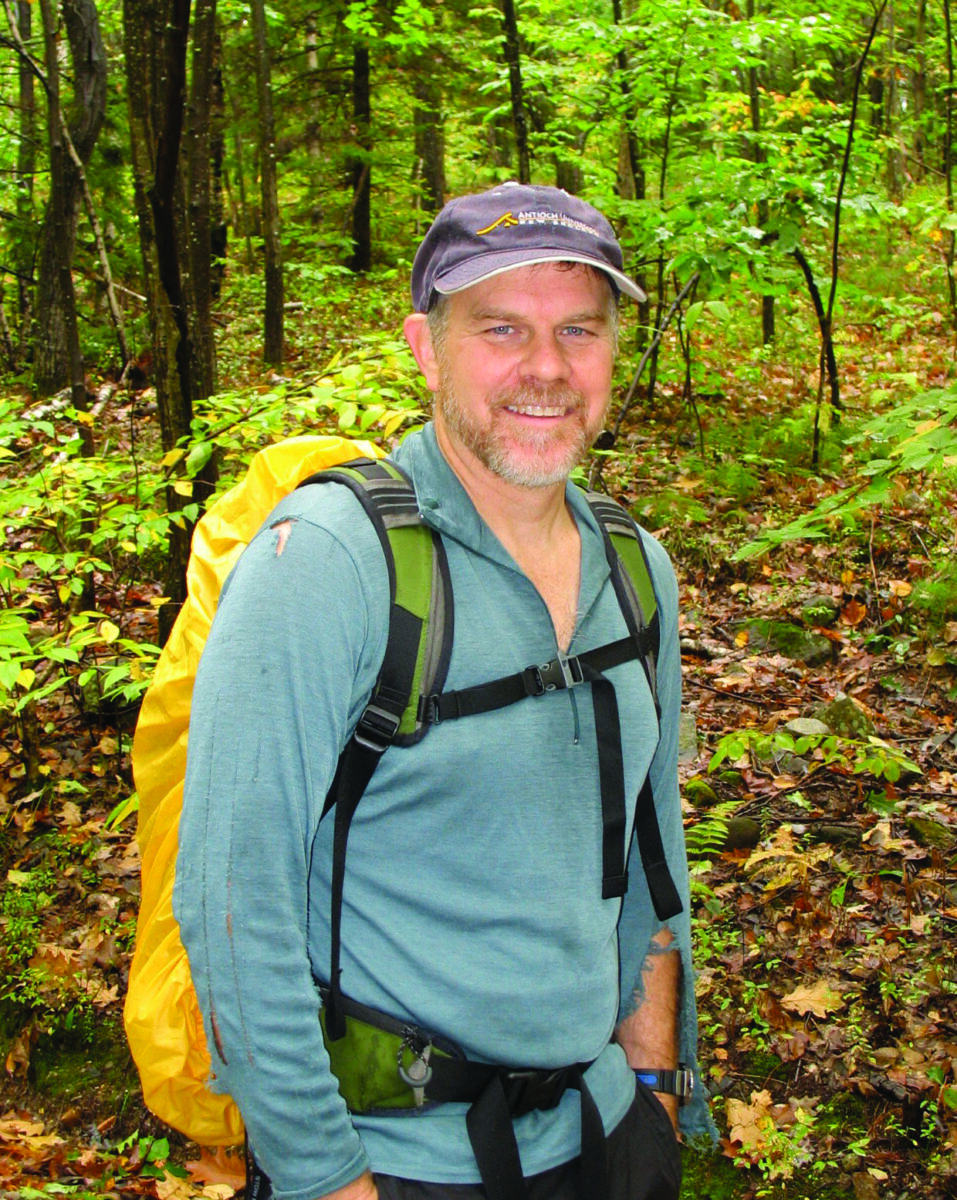
“We have created numerous opportunities for students and community engagement. With a steady flow of revenue, we can build on and achieve this vision.”
All of these plans build off the good work and great generosity that have shepherded Glover’s Ledge to where it stands today. “We have enhanced wildlife habitat and demonstrated good forestry,” says Palmiotto.