Antioch University’s Continuing Education Programs hosted an online event on June 15 titled Building Capacity for Social Emotional Learning. This event, which was sponsored by Six Seconds and Antioch University’s…
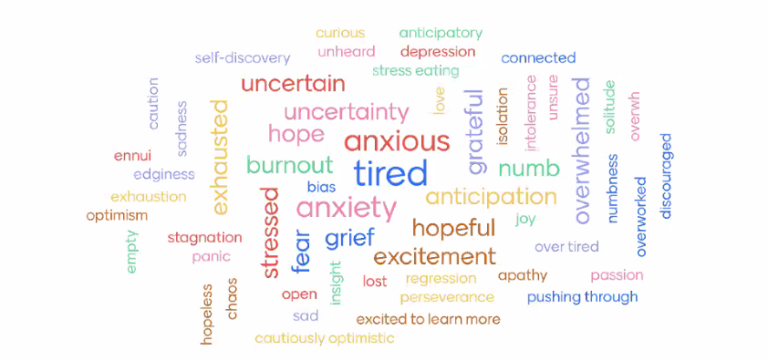
Antioch University’s Continuing Education Programs hosted an online event on June 15 titled Building Capacity for Social Emotional Learning. This event, which was sponsored by Six Seconds and Antioch University’s…
Dr. Joe Powell ’95, ’98, ‘01 (Seattle, BA Liberal Studies, MA Education, Graduate Teacher Prep Certificate) is the Principal at Alan T. Sugiyama (ATS) High School in Seattle. Powell and…
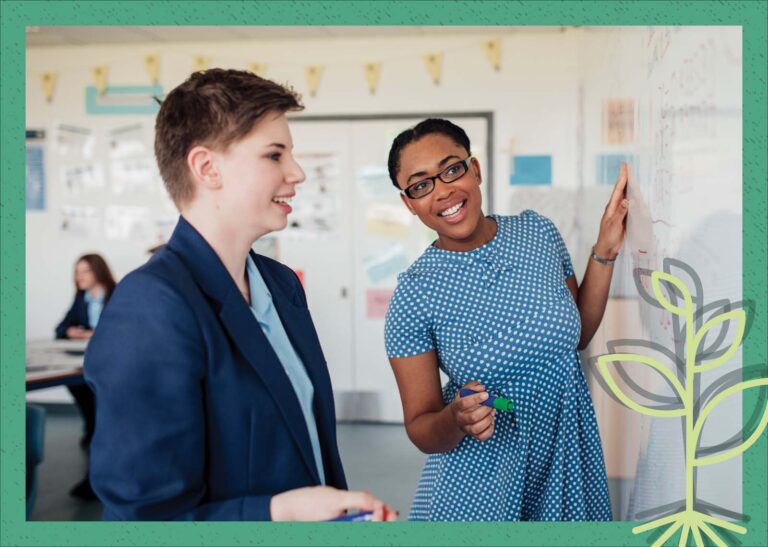
When using the “Scientific Method,” we ask questions, observe the world, and interpret what we find. Sometimes this leads us to change our initial ideas—but no matter what, we lead with curiosity. So why is it that science education today so often focuses on memorizing facts and solving tidy problems with right and wrong answers? In this interview with Dr. Gopal Krishnamurthy we ask these questions. Topics covered include foul-smelling childhood experiments, an engagement with non-standard mathematical notation, and the ways that today, “despite the best efforts of our teachers, learning is critically endangered.”
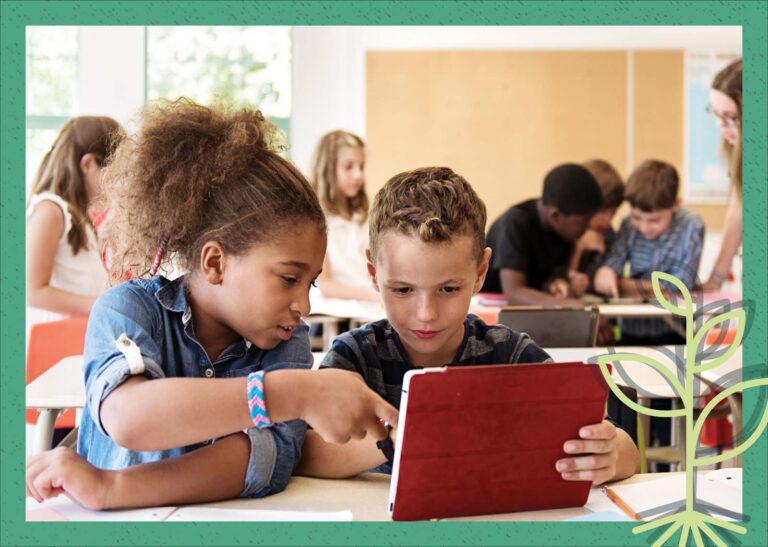
Students learn more than reading, writing, and arithmetic in school, classrooms are also where students practice their social and emotional skills. But how can teachers support a sudent’s growth in these areas, and should this be treated as equally important as more test-able skills? To find out, we talked with Laura Thomas, an expert on collaborative learning communities who has served for 20 years in the education department at Antioch New England. In this conversation, Laura discusses how we should understand emotional intelligence, the importance of cultural respect, and current attacks on public education.
Amanda Martinez ‘08 (Santa Barbara, MAT) has been hired as the assistant superintendent of Pupil Services at the Goleta Union School District (GUSD). For the last four years, Martinez has…
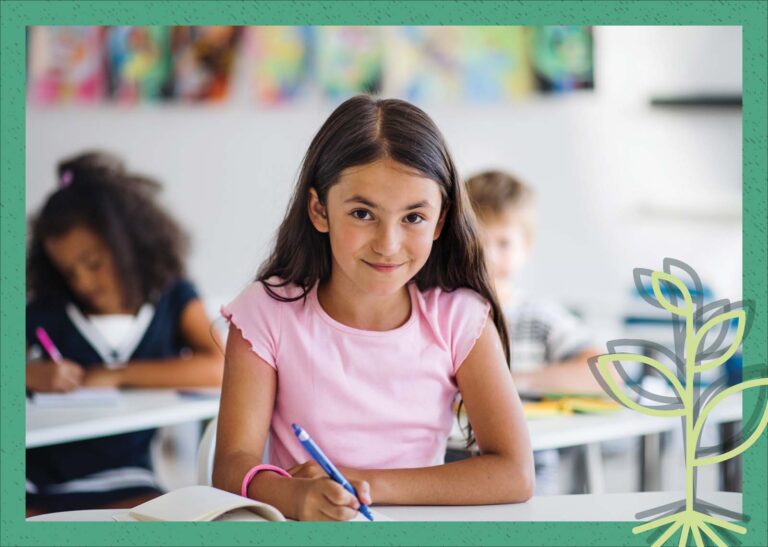
Words are how we tell our stories, form our identities, and advocate for ourselves within society. But are schools doing a good job preparing students to be confident, empowered writers? In this interview with the literacy expert Heather Hebard, she discusses how writing education and literacy education are unequally distributed across our nation’s schools, and she challenges our understanding of what counts as literacy. Join us in this conversation to learn about the unequal ways that different kinds of literacy are accorded power in our society, and what we can do to change that.
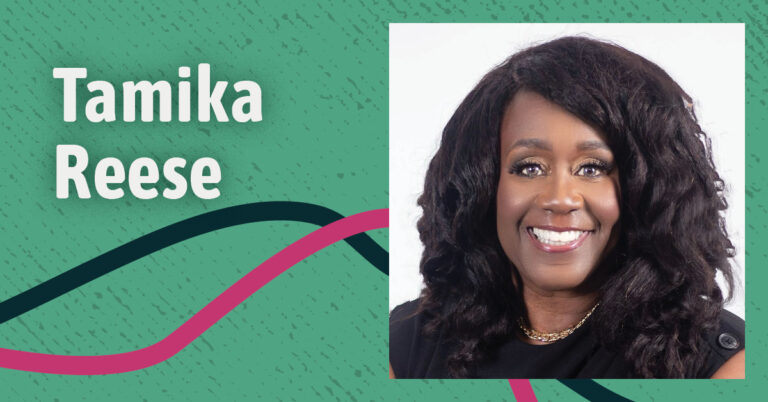
Tamika Reese comes from a large family of educators. But she never foresaw her life leading her down the same path her ancestors had already walked. So as a young…
New England Education faculty, Dr. David Sobel, was quoted My BackYard and The Northend Agent’s about the best ways to discuss climate change with children!
Angel Harper ‘10 (Education Teaching Credential, Los Angeles) was an elementary school teacher for the Los Angeles Unified School District for 12 years, retiring in 2019. During COVID, she became…
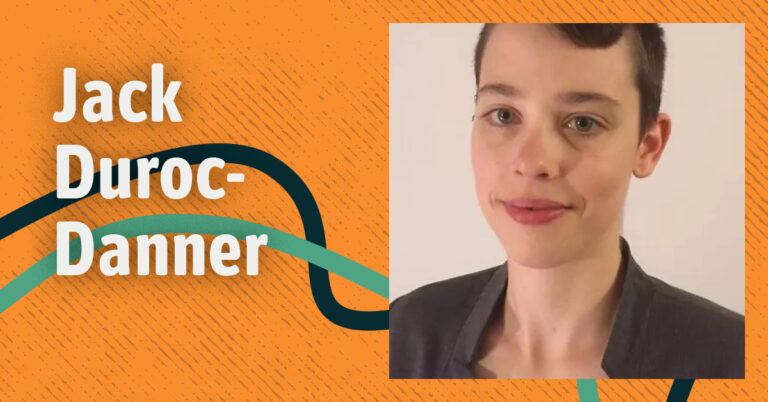
“So many of us don’t get appropriate sex education,” says Jack Duroc-Danner, an activist working to help non-autistic individuals to be more aware of the differences and needs of gender…
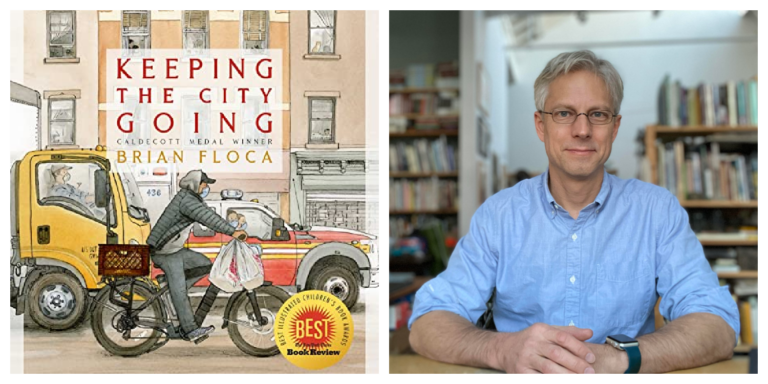
Floca’s picture book is a tribute to the essential workers who stayed on the streets to keep their cities going during the Covid-19 pandemic. Antioch University Los Angeles’ Education Department is honored…
Seattle Education Faculty Dr. Heather Curl was quoted talking about social class in a recent article about the difference between working and middle class. “Money was actually secondary for some…