Larissa Grundmanis, a 2023 graduate of the PsyD Program in Clinical Psychology at Antioch University, New England, has written and published a dissertation titled, Examining the Relationship Between Non-Suicidal Self-Injury…


Larissa Grundmanis, a 2023 graduate of the PsyD Program in Clinical Psychology at Antioch University, New England, has written and published a dissertation titled, Examining the Relationship Between Non-Suicidal Self-Injury…
Michelle M. Ehle ‘20 (Clinical Psychology, Seattle) was interviewed by the Seattle Times for the article “Expert Advice for Coping with Election Stress.” Ehle, a therapist based in Olympia, shared…
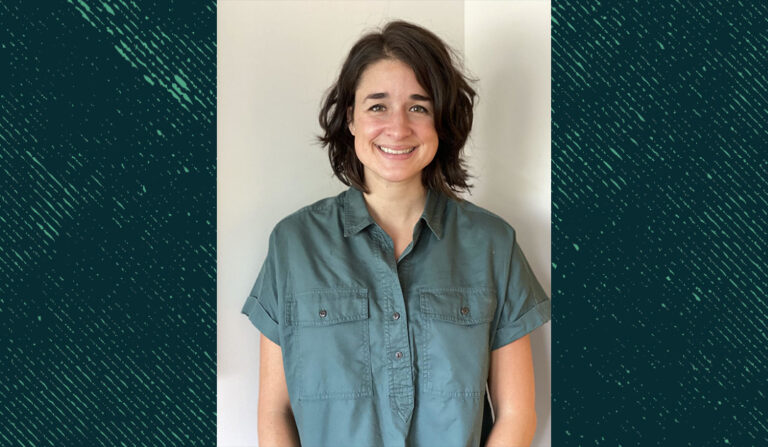
Rachel Chickerella grounds her teaching philosophy in authenticity, humor, and pragmatism. In her work as Core Faculty in the PsyD in Clinical Psychology on Antioch’s New England Campus, she emphasizes…

Manjit Bath, a 2024 graduate of the PsyD Program in Clinical Psychology at Antioch University’s Seattle Campus, has written and published a dissertation titled EMDR Gaming Recovery and Insight Protocol…
Antioch’s New England PsyD in Clinical Psychology Professors Lorraine Mangione and Ted Ellenhorn have been elevated to the prestigious title of Fellow by the American Psychological Association (APA), a distinguished…
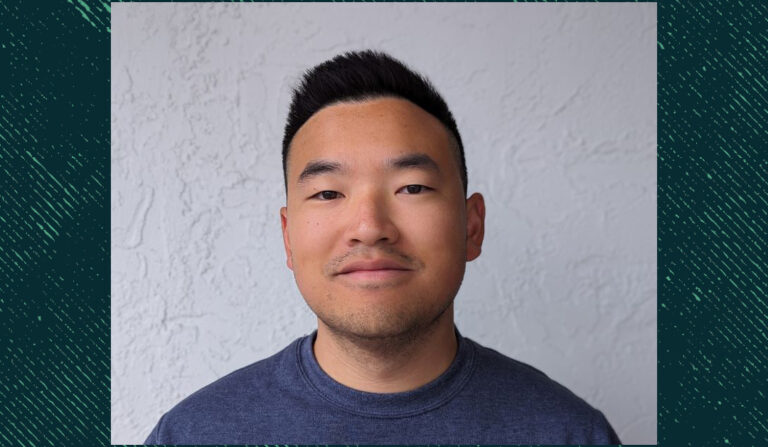
Isaac Cheng, a 2024 graduate of the PsyD in Clinical Psychology program at Antioch University’s Seattle Campus, has written and published a dissertation titled The Influence of Highly Visual Social Media…

Over 40 students and many faculty from the PsyD in Clinical Psychology program at Antioch University’s Seattle campus participated in this year’s American Psychological Association Conference. Over August 7-10, 2024,…
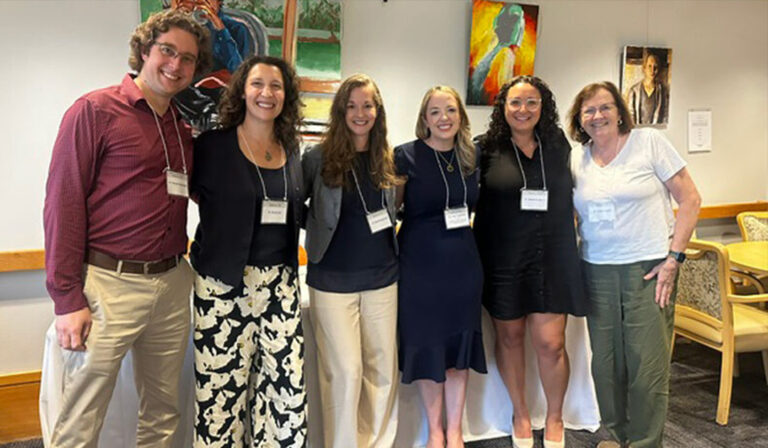
(Pictured above from left to right PsyD alumni Vince Pignatiello, Nikky Hill, Sarah Kopency, Kate Patterson, Alex Munro, and Susan Rogers.) Numerous Antioch University faculty, students, and alumni from the…

Kristina S. Fury, a 2023 graduate of Antioch’s Doctoral Program in Clinical Psychology in Seattle, has written and published her dissertation titled, “Does Anyone Else?” The Lived Experience of Writing…
Lorraine Mangione, PhD, Professor of Clinical Psychology at Antioch University in New England, and writer Donna Luff, were honored as Finalists in the 18th Annual National Indie Excellence Awards for…

Malina Banavong Maladore, a 2024 graduate of the PsyD Program in Clinical Psychology at Antioch University’s New England campus, recently published her dissertation entitled, The Impact of Asian American Cultural…
Liz Donalds ’12 (New England, PsyD) has published the third book in her series Exploring Adoption with Dr. Liz. Assignment: Family Tree (May 2024) joins the previously published Who is…