
As the mental health field continues to evolve, more clinicians are seeking approaches that address the connection between mind, body, emotion, and nervous system health. Antioch University’s Somatic Psychotherapy Certificate is designed for licensed therapists and helping professionals who want to deepen their clinical skills through body-based, trauma-informed, and experiential methods of healing.
This advanced certificate program offers students the opportunity to explore how stress, trauma, attachment, and emotional experiences are held in the body, and how therapeutic change can happen through awareness, movement, regulation, and embodied presence. Through a combination of theory, experiential learning, and practical application, students gain tools they can bring directly into their professional practice.
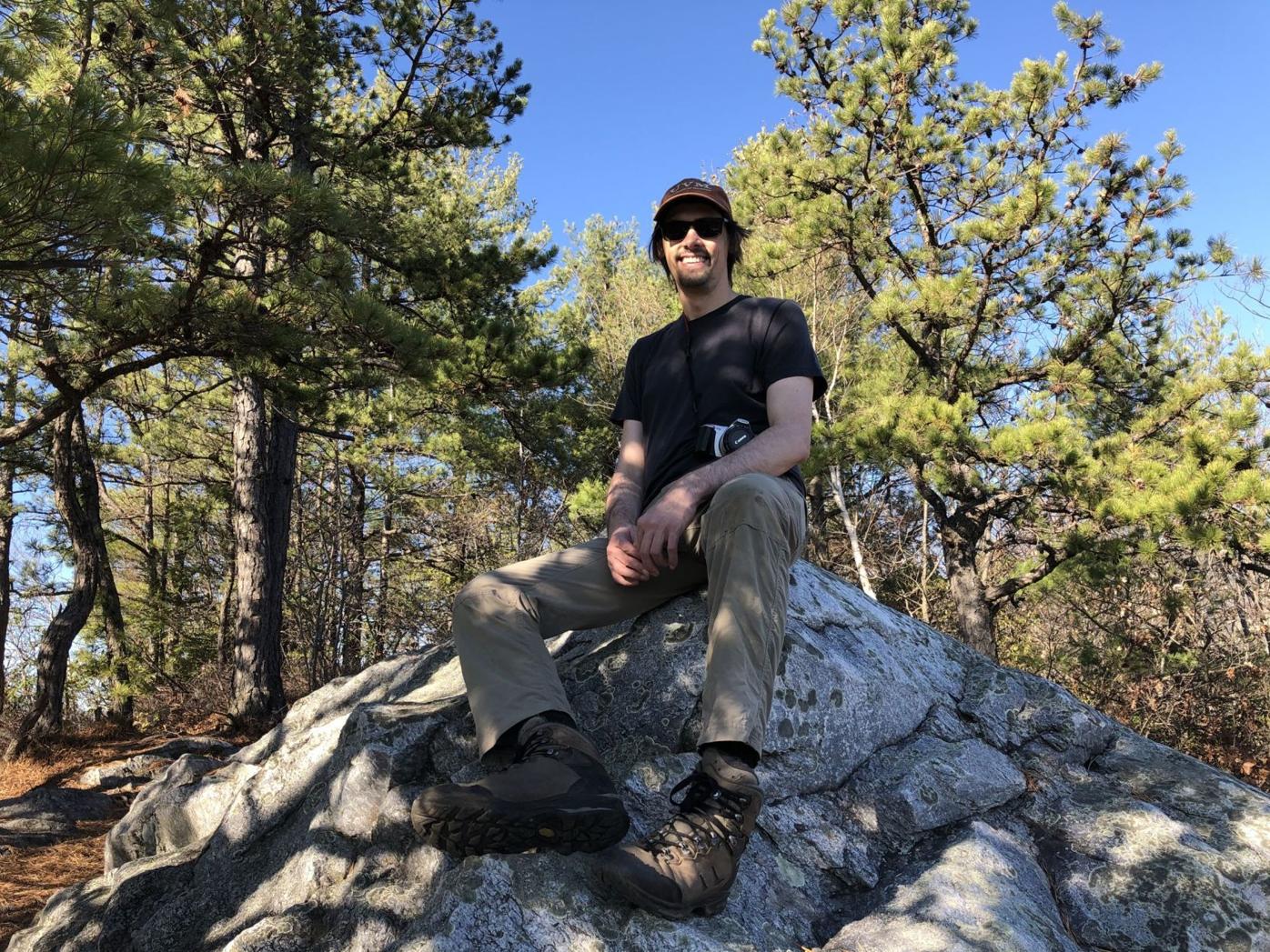
Guiding students through this work is Rick Lepore, an Antioch University faculty member, psychotherapist, educator, and longtime practitioner of somatic psychotherapy. Lepore brings extensive experience in embodied clinical practice and has worked with approaches that integrate movement, expressive arts, phenomenology, relational process, and nervous system awareness. His teaching emphasizes both personal experience and professional application, helping students understand somatic psychotherapy not only as a theory but also as a lived, practical process for healing.
To learn more about the program, Lepore was asked about the future of psychotherapy, the role of somatic awareness, and what students can expect from Antioch University’s Somatic Psychotherapy Certificate.
Why do you think this work is important for the future of the field?
Rick Lepore:
What makes somatic work so important for the future of the field is that it brings us back to what’s often called “sensory intelligence” or “embodiment.” When we pay attention to the body, we access a natural vitality that supports regulation and regeneration, while also allowing sensation to inform emotion, cognition, and meaning-making. In my view, helping people understand themselves and connect with others is most effective when the body is part of the therapeutic process.
How do you see this program contributing to the evolution of psychotherapy?
Rick Lepore:
By teaching embodied knowledge. What I mean by that is helping both therapist and client develop the capacity to directly experience bodily processes. My teacher, Anna Halprin, used to say, “Get out of your mind and into your senses!” Rather than starting with cognition or what we think we already know, somatic work becomes an unfolding process that helps us discover what isn’t yet conscious. When we shift our attention to the body, we often find greater flexibility and openness in how we experience and process emotion and thought. I think this is a significant contribution to the evolution of psychotherapy.
What does it mean to bring the body and the whole person into the therapeutic process?
Rick Lepore:
A common but limited way people think about somatic psychotherapy is the idea of simply asking, “Where do you notice that in your body?” Noticing sensation can be a useful starting point, but by itself, it doesn’t necessarily involve change. In some cases, it can even maintain a separation between mind and body or, especially in trauma responses, lead to more disconnection rather than greater embodiment.
To bring the body and the whole person into the therapeutic process means something deeper than noticing sensation. It involves learning to work with body processes as much as mental processes. This is a skill we help our students develop. In that sense, the body isn’t just something we ask about; it’s something we actively participate in.
Why do you think it’s important for the profession to integrate somatic awareness more fully?
Rick Lepore:
As a culture, we tend to lean toward a mind–body split, and that can really shape how disconnection gets internalized. When you add in cultural messages rooted in inequality and injustice that impact identity and values, these messages can become embodied and shape how we experience ourselves and our capacity to act in the world. Bringing in somatic awareness helps reconnect us to our natural capacity for regulation and opens up space for change. It supports a sense of agency we can build on and allows us to relate differently to ourselves, to others, and to culture. In that way, psychotherapy contributes not only to personal healing but also to social change.
What kind of student is drawn to this program?
Rick Lepore:
A wide range of students can benefit from this program, someone who is curious about the body, someone already incorporating somatic or creative processes into their practice, or someone with little to no experience with what the body has to offer and wants to expand their skill set. It’s also for anyone seeking an embodied approach that integrates both theory and experiential learning.
How do students’ life experiences or motivation to help others enrich the learning environment?
Rick Lepore:
Bringing in a personal process supports embodied learning. Students apply somatic interventions with one another and work with personal material they feel comfortable sharing. Faculty provide structured activities that support students in applying somatic approaches aligned with their values and interests.
What do you hope students take away from their time in this program?
Rick Lepore:
Embodied interventions in somatic psychotherapy represent a paradigm shift in how psychotherapy is experienced. Learning to trust deep somatic awareness, by working at the level of sensory experience, and to move beyond relying on rational thinking as the primary focus, is what I hope students take away from this program.
What makes somatic psychology or body-based approaches so powerful in therapy today?
Rick Lepore:
Somatic psychology is now an established approach to therapy. Today, therapists are seeking more nuanced and developed methods to support specific aspects of mental health, including attachment patterns and both acute and developmental trauma. This work expands the range of clinical intentions and interventions, integrating trauma-informed approaches with somatic and expressive arts-based practices.
How does current research support the connection between body, mind, and healing?
Rick Lepore:
Neuroscience has supported the connection between body, mind, and healing since the “Decade of the Brain” in the late 1990s and continues to provide understanding of the nervous system’s role in processing implicit and explicit information, as well as insight into how brain functioning is involved in embodied approaches. Case studies also support the field by demonstrating how somatic interventions unfold in clinical work. Here, we also see important developments in the role of creativity and somatic countertransference.
How do you help students learn to see clients through a more holistic lens?
Rick Lepore:
Embodied experience is central to how I help students understand clients more holistically. It is an exciting shift to work from a bottom-up approach, not only theoretically but experientially as well.
What practices or modalities do you like to bring into your teaching?
Rick Lepore:
My background is in dance, somatic movement, and expressive arts. I am also trained in therapeutic touch from a Polyvagal-informed perspective. I also like to work from humanistic and phenomenological approaches. I help students understand perceptual modes, connect implicit experience with language, and bring a creative lens to somatic work.
How do you help students integrate somatic approaches into their clinical work?
Rick Lepore:
I provide structured learning experiences grounded in sensory awareness that support students in integrating experiential material and developing their own understanding. I also offer demonstrations and guidance in somatic interventions, translating approaches into concrete steps. Personal process is always supported as an important part of learning somatic work.
Explore the Somatic Psychotherapy Certificate at Antioch University
Expand Your Clinical Skills
Offered through Antioch University’s Santa Barbara campus, the program provides an opportunity for experienced practitioners to integrate leading-edge somatic knowledge into their current practice while learning from respected experts in the field.
For licensed professionals ready to expand their clinical skills, Antioch University’s Somatic Psychotherapy Certificate offers advanced training in body-based therapy, trauma-informed care, and embodied healing practices. Guided by experienced faculty, students gain practical tools to support deeper healing and more effective therapeutic relationships.
Demand is rising for practitioners trained in somatic therapeutic approaches that recognize the powerful connection between body and mind in the healing process. Through just three weekend residencies, students earn 30 continuing education credits and expand their clinical skill set.
Application Requirements

Eligibility: An existing master’s degree in psychology or a related field is required.
Brief Essay: A response of less than one double-spaced page is required addressing the following prompt: How might this training impact professional practice, career, awareness, personal growth, and relationships, and what challenges might be encountered?
How to Apply: Applicants should email a resume and essay to [email protected].
Learn more about Antioch University’s Somatic Psychotherapy Certificate.