The pulse of our planet fades. Low morale in organizations grows. Economic gaps widen. Biodiversity weakens. And core needs increasingly require privileged access. Depending on where you live, knowing your neighbors’ names may be as unfamiliar as strolling past someone on the street. In the lifecycle of society, polycrisis is heightened and, at times, may feel like the driving force behind how each of us functions daily. In the throes of this moment, there are also cycles of rejuvenation, stability within instability. In these moments, I am reminded of the undercurrent rivers that connect us.
On April 21, 2026, Antioch University successfully hosted its second community-wide Relational Cultural Theory at Antioch University (RCT@AU) event, Finding Steady Ground: The Role of Relationships in Times of Polycrisis. This event is part of a new initiative in partnership with the International Center for Growth in Connection (ICGC), where, together, we are creating spaces for relational practice to thrive across disciplines, strengthen community, amplify voices, and promote social change.
At the spring event, Froswa’ Booker, PhD, said, “I see it as the ecosystem-building work that we do, because quite often, the work is done in isolation.” She was pointing to a critical problem: when we work in isolation, we miss the relational power needed to navigate catastrophic moments. Instead, we must build ecosystems of care and connection. Drawing on ancestral wisdom and collective responsibility, Dr. Froswa’ encouraged us to reimagine how we respond to crises not as isolated individuals, but as people embedded in relationships capable of creating meaningful change.
The Fireside Chat
The interactive virtual program began with a fireside chat which I, as RCT@AU Fellow, had the pleasure of interviewing Dr. Froswa’ alumnae, Antioch University Board of Governors member, CEO of Soulstice Consulting, LLC, and author of Front Porch Wisdom: Navigating Leadership Pressures and Barriers as a Woman of Color. Together, they explored how curiosity, a commitment to generative relational spaces, and RCT principles provide an opportunity to remind us and reimagine how relationships can strengthen, sustain, and lead us with intention and effective impact.
Through Dr. Froswa’s rich storytelling, which explored the multidimensional nature of polycrisis, power dynamics, and the cruciality of listening to the voices of those chronically affected by crisis participants listened intently. She shared stories of working in partnership with communities that all too often feel the effects of marginalization, guiding them in ecosystem-building instead of the common path to change: working in isolation. Grounded in the RCT principles of mutuality and honoring human dignity, Dr. Froswa’s message was clear: each of us has the capacity to contribute. Whether through caring for neighbors, participating in local organizations, or cultivating communities of support, meaningful change begins in relationship.
Additionally, to feel and act through your own power, she emphasized building your own “front porch”, a community that supports you, challenges you, and sustains you. In creating a relational recharging station, a front porch of support is necessary if we are to sustain ourselves and show up for others during crises.
Growth-in-Connection
After that energizing and heart-provoking discussion, participants moved into small dialogue breakout groups facilitated by Antioch professors, students, and alums. This offered an opportunity to experience RCT in practice by learning, sharing, and nurturing core values of growth-in-connection, mutual empathy, empowerment, and encouragement.
The power of the exchange during the fireside chat and its carryover into the breakout groups cultivated a deep sense of togetherness. When the groups returned, facilitators shared their groups’ collective thoughts and feelings. In a virtual room of 100 Antioch University faculty, staff, students, alums, and community members, they gathered, learned, and allowed their own curiosity and beingness to exist.
As the evening came to a close, the energy was alive, pulsating, and full of palpable love. It allowed Dr. Froswa’ to close the session with a powerful blessing for each of us to carry forward:
“My blessing for all of you is that you recognize the greatness that exists within you, that everything that you have gone through is not wasted.
My blessing for you is that you walk away knowing that regardless of what you face, that the storms that come, and the challenges that you see, that you recognize that you are grounded, that you are rooted.
I hope that you walk away knowing that your inner knowing is there, that you have such wisdom and knowledge and lived experience, and although you have other people that you listen to that you value, the wisdom that you bring.
And my final blessing is that you begin to start seeing your own front porches, that you recognize the value of community, of belonging.
And that as much as you want to see others, I hope that you see that it is value in you being seen and sharing your story. That there is power in who you are, and by sharing that, you connect others and help them know they’re not alone.”
Looking Ahead
What began as an evening among strangers evolved into a shared experience of reflection, learning, and connection, an embodiment of the very principles RCT seeks to cultivate.

RCT@AU hosts events twice a year, in the fall and spring. All events include the opportunity to gain continuing education credit hours. The events are open to the public and provide an opportunity to connect, learn, and grow as a life-long learner and community member. Keep an eye out for our event in the fall.
If you would like to learn more about how to get involved in the RCT@AU initiatives, please contact me at [email protected].
Ileya Grosman
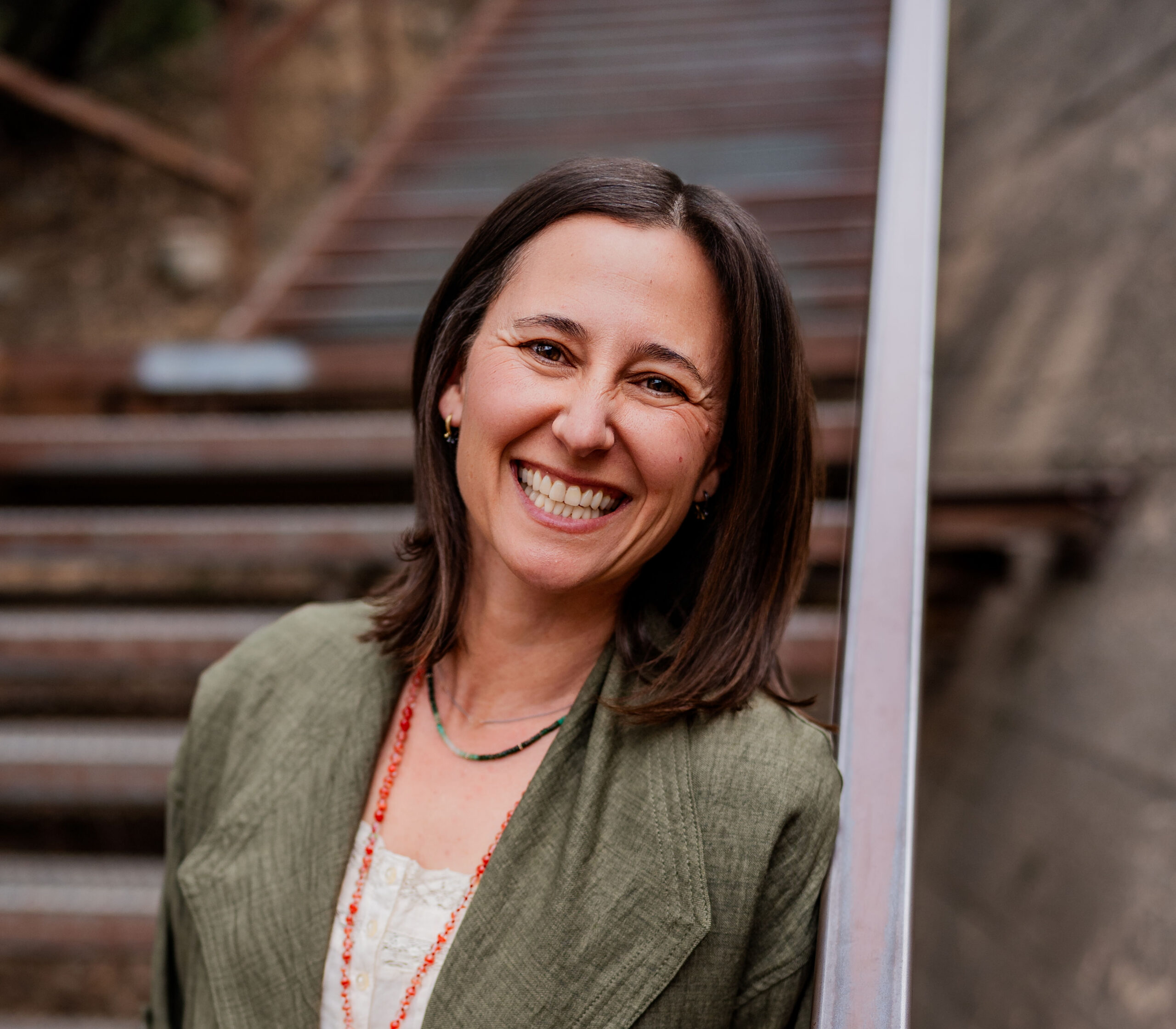
Ileya Grosman is an artist-scholar-practitioner focused on connection through relational teaching and leadership. She earned her PhD in Leadership and Change from Antioch University, researching growth-fostering student–faculty relationships. She brings nearly two decades of experience across education and community engagement contexts and currently works at the University of Denver teaching relational and embodied leadership. She is the inaugural recipient of the Relational Cultural Theory Fellowship through Antioch University and the International Center for Growth in Connection.