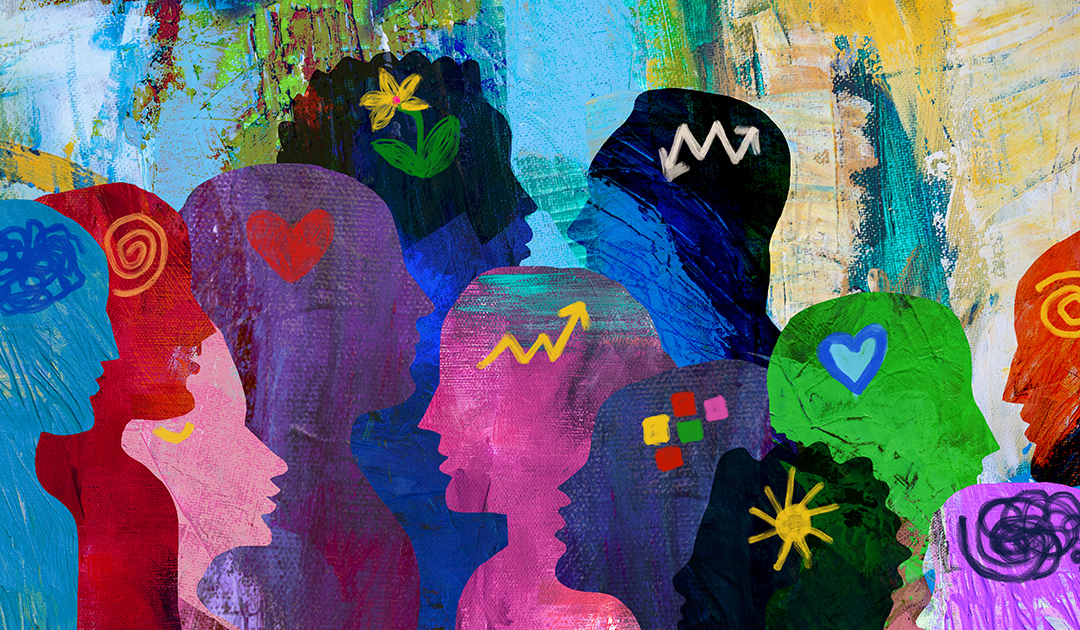

Neurological differences present in unique ways. From intellectual disabilities to sensory processing disorder, they impact everything from cognitive functioning to relationships. It’s vital for mental health counselors to understand the differences.
That understanding goes beyond definitions. Counselors need to know how to spot neurodivergent traits. They’re often subtle and can go misdiagnosed. A client might not identify as autistic, but still struggle with executive functioning or other differences that affect work or relationships.
In practice, that means slowing down and reevaluating “progress.” It also means rethinking common assumptions, such as the idea that masking (concealing thoughts or emotions) is a marker of success. As Devon Price writes in Unmasking Autism, “To unmask is to lay bare a proud face of noncompliance, to refuse to be silenced, to stop being compartmentalized and hidden away, and to stand powerfully in our wholeness alongside other disabled and marginalized folks.”
The differences are central to the neurodiversity concentration in our MA in Clinical Mental Health Counseling (CMHC) curriculum.
What Is Neurodiversity?
Neurodiversity is a set of differences in human brain function. The neurodiversity movement views conditions like autism and attention deficit hyperactivity disorder (ADHD) as alternatives to typical functioning instead of flaws.
Practitioners use two models to understand different conditions. The medical model treats neurological conditions as problems to fix. The social model makes adjustments to help people interact with their environments. Counselors use both models to provide better care.
Types of Neurodiversity
Someone walks into a room and forgets why. Or they melt down from too much noise. They may be navigating environments that don’t account for neurological differences. But what kind of neurodivergence? Here’s what sets each condition apart.
Autism Spectrum Disorder
Autism is a difference in sensory processing that affects social interaction. Autistic people are often overstimulated and may use rigid routines as a coping skill. Yet many people with autism also have impressive problem-solving skills. Greta Thunberg is an openly autistic activist who likens her autism to a superpower.
ADHD
Often linked with impulsivity and inattention, people with ADHD may also have an increased ability to focus. Executive dysfunction can cause frustration, but with the right support, individuals can also have an edge in fast-paced settings. Edward Hallowell, a leading ADHD psychiatrist, says ADHD is like having a “Ferrari in your brain” with the brakes of a bicycle. With the right care, it can be a strength.
Dyslexia
Dyslexia can affect spelling, but not intelligence. It may not be diagnosed until a person starts school. People with dyslexia are often very creative. They can use multisensory reading strategies, such as tapping out syllables, to support reading and writing.
Dyspraxia
Also known as developmental coordination disorder, dyspraxia can make it hard to write and speak. People with dyspraxia may respond more slowly. They may struggle in social situations, but social skills training can help them tap into their natural empathy.
Dyscalculia
Dyscalculia makes it harder to use numbers. It can interfere with tasks like time management and financial planning. People with dyscalculia can use alternative learning strategies from the neurodiversity framework to lower daily stress.
Tourette Syndrome
Tourette syndrome causes involuntary vocal tics. It’s often misunderstood, yet many neurodivergent individuals with Tourette’s are also verbally fluent. Behavioral therapy and a neurodiversity affirming therapy model can help.
Down Syndrome
This genetic condition affects physical and intellectual development. People with Down syndrome often have high emotional intelligence. Therapy can help improve their communication skills and independence.
OCD
Obsessive-compulsive disorder is more than just extreme neatness. People with OCD may suffer from intrusive thoughts. They might behave compulsively to manage their anxiety. Some of these neurodivergent people may also have autism or ADHD. Many have exceptional persistence and a sharp eye for detail. Cognitive-behavioral tools can help.
Bipolar Disorder
Marked by mood swings from depression to mania, bipolar disorder can upset a person’s emotional stability. But many who have it show deep empathy and insight. The neurodiversity framework reduces stigma and supports the person with mood cycles.
Borderline Personality Disorder
BPD affects emotional regulation and is often caused by trauma. Common traits with this condition are intense connection and emotional honesty. Support techniques avoid shame and build social communication and safety. The neurodiversity movement views BPD as a valid way of being.
Synesthesia
In synesthesia, the senses overlap. Letters might have colors, and sounds might taste sweet. The condition isn’t disabling, but it is divergent. Many neurodivergent individuals with synesthesia channel their differences into art and design. It challenges assumptions about how perception “should” work.
Hyperlexia
Hyperlexia involves early reading ability, sometimes years ahead of peers. People who find it may have a harder time in social situations. It’s often seen in autistic children and can mask other challenges. Recognizing it through the neurodiversity framework helps prevent the mislabeling of gifted readers.
Intellectual Disability
Intellectual disability affects cognition. Yet that labeling often overlooks emotional warmth and strong social skills. Support services tailored to strengths help neurodivergent students with ID thrive in school and life.
Twice Exceptional
“2e” individuals are intellectually gifted. They also have a learning difference, like dyslexia or ADHD. These individuals are often misunderstood because their strengths mask the need for support. Neurodiversity awareness in schools can help.
Supporting Neurodivergence in Clinical Settings
In clinical settings, clients shouldn’t have to mask. Self-regulation tools like fidget tools are part of the process. At Antioch, the MA in Clinical Mental Health Counseling program teaches students to recognize and respond to brain functions that don’t fit neurotypical norms.
Sensory-Friendly Therapy Space
Neurodivergent clients often experience sensory overload. Soft lighting, low noise, and stim tools like fidget cubes can help them self-regulate. These small adjustments are important in neurodiversity affirming therapy.
Identity-First Language
Respecting terms like “autistic person” shows you see the client’s identity along with their diagnosis. The neurodiversity framework uses language that maps onto agency rather than pathology. This is especially important for neurodivergent students exploring their identity.
Response to Masking
Masking can lead to “mask fatigue,” especially for those managing social anxiety or complex mental conditions. Counselors trained to recognize these patterns can help clients explore how they express themselves. Antioch students are taught to validate burnout rather than misread it as resistance.
Understanding Comorbidities
Neurodivergence often comes with comorbidities like depression. Understanding them is critical to effective care. That’s why Antioch’s MA in Clinical Mental Health Counseling curriculum addresses human development across the lifespan and the interconnected processes that occur throughout. This honors each client’s unique experience.
Cultural Competency
Cultural awareness is key to helping people with conditions like autism. Tools like narrative therapy can help clients improve. Students learn how to design support services that embrace the whole person.
Ready to support neurodivergent people? Whether you’re inspired by The Reason I Jump or driven to ease social anxiety, Antioch’s MA in Clinical Mental Health Counseling equips healthcare providers to lead with the neurodiversity framework. Make a difference through neurodiversity affirming therapy and build support services that honor exceptional abilities.
Explore the program now.
What It Feels Like to Be Neurodivergent
When you’re neurodivergent, it can feel like they’re trying to talk to someone in a wind tunnel. Your nervous system is on high alert, but no one seems to understand. For many, the greatest challenge is adapting to systems that misunderstand neurodivergent experiences.
- Masking fatigue: “I feel like I’m always acting. I’m very tired at the end of the day.”
Masking wears down the nervous system. It drains energy and can lead to burnout. Chronic exhaustion is a key reason neurodiversity affirming therapy emphasizes rest. - Feeling “invisible” in group settings: “I speak, and it’s like I’m not even there.”
Many neurodivergent people report a kind of emotional erasure. Therapy works by noticing who’s missing from the conversation and inviting them back in. - Social blindness: “I know I said the wrong thing, but I don’t know what it was.”
Trouble interpreting facial expressions can lead to withdrawal. Focusing on social communication support is crucial for counseling that respects neurodiversity. - Post-diagnosis shift: “Getting the diagnosis felt great until the crash came. Now what?”
Clients may feel overwhelmed after a diagnosis. Therapists working from a neurodiversity framework need to guide them toward the next steps. - Comorbidity confusion: “Is it autism? ADHD? Anxiety? All of them?”
Neurodivergent people often have multiple diagnoses. Counselors need to approach them with compassion.
Shared Traits That Can Confuse Diagnosis
It can be difficult to diagnose neurological conditions because of overlapping traits. The same trait (like executive dysfunction) can look like ADHD, autism, trauma, or even burnout. This overlap can be frustrating to healthcare providers. Understanding how the brain works is key to giving accurate support.
| Trait | Autism Spectrum | ADHD | BPD | PTSD | OCD | Bipolar |
| Sensory Sensitivity | High | Moderate | Moderate | High | Low | Varies |
| Executive Dysfunction | High | High | Moderate | High | Low | Low |
| Emotional Dysregulation | Moderate | High | High | High | Low | High |
| Social Perception Issues | High | Moderate | High | Moderate | Low | Low |
A summary diagnosis like anxiety may look good on paper, but it can fail real people. Misreading a condition can block access to services for kids who experience difficulties but don’t present in ways that are expected.
Self-ID and Counseling Approaches
“What if I relate to all the traits but don’t have a diagnosis?” Many neurodivergent individuals self-identify because formal assessments can be costly. A diagnosis can give access to help, but lived experience is just as real.
People with learning disabilities or mental health conditions may not tick every diagnostic box. Counselors must be ready to support neurodivergent students and adults who don’t follow a clinical script. This is where the phenomenological approach can be powerful. It focuses more on the client than on test scores to keep providers from reducing clients to a pathology.
Tools like narrative therapy help clients recognize their strengths. They begin to explore their exceptional abilities and how their functional communication styles work best. In the spirit of Look Me in the Eye, neurodivergence becomes a lens for growth.
Tips From Neurodivergent Voices
Many neurodivergent people describe their experiences as paradoxical. They can be high-functioning in one area and overwhelmed in another. Here are a few common complaints from neurodivergent people and how they impact care.
- “Don’t force eye contact. It’s exhausting.”
For clients with social anxiety, eye contact can increase stress. Therapists trained in the neurodiversity framework know comfort often helps more than formality. - “Start by asking what feels safe.”
For many who fall under the umbrella term of neurodiversity, trust starts with autonomy. A healthcare provider can build rapport by letting clients set boundaries around pace and tone. - “Weighted blankets help more than you think.”
Clients with autism may struggle with self-regulation. Physical grounding aids like blankets and stim toys can support communication by helping them stay present during sessions. - “Use Notion for executive dysfunction.”
Apps like Notion or Todoist are lifelines for managing executive dysfunction. Neurodivergent students often rely on visual structure and flexible planning. Recommend these tools during neurodiversity-affirming therapy.
Why Counselors Must Understand Neurodiversity

As healthcare providers, counselors who embrace the neurodiversity framework open the door to better outcomes and identity-affirming care.
Antioch’s MA in Clinical Mental Health Counseling offers a concentration in neurodiversity and trains future healthcare providers to support neurodivergent people with empathy and expertise. Students learn to enhance functional communication, unlock exceptional abilities, and build inclusive support services that ease social anxiety. Begin your path toward inclusive mental healthcare through Antioch’s MA in Clinical Mental Health Counseling.