
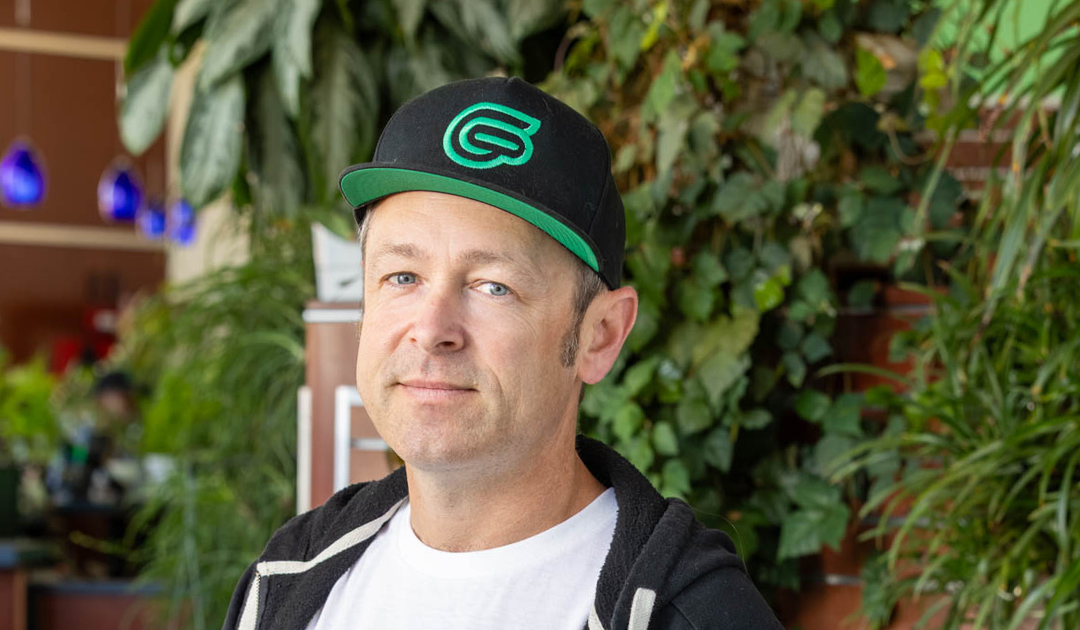

For Jesse Lore ‘22, building a successful business isn’t just about what ends up on the balance sheet. It’s also about who gets to participate, the communities a business strengthens, and the impact it has on the planet.
That philosophy is at the heart of Green Wave Electric Vehicles, the New Hampshire company Lore founded to make electric vehicles more affordable and accessible. It’s also an idea he developed more deeply while pursuing his MBA at Antioch University.
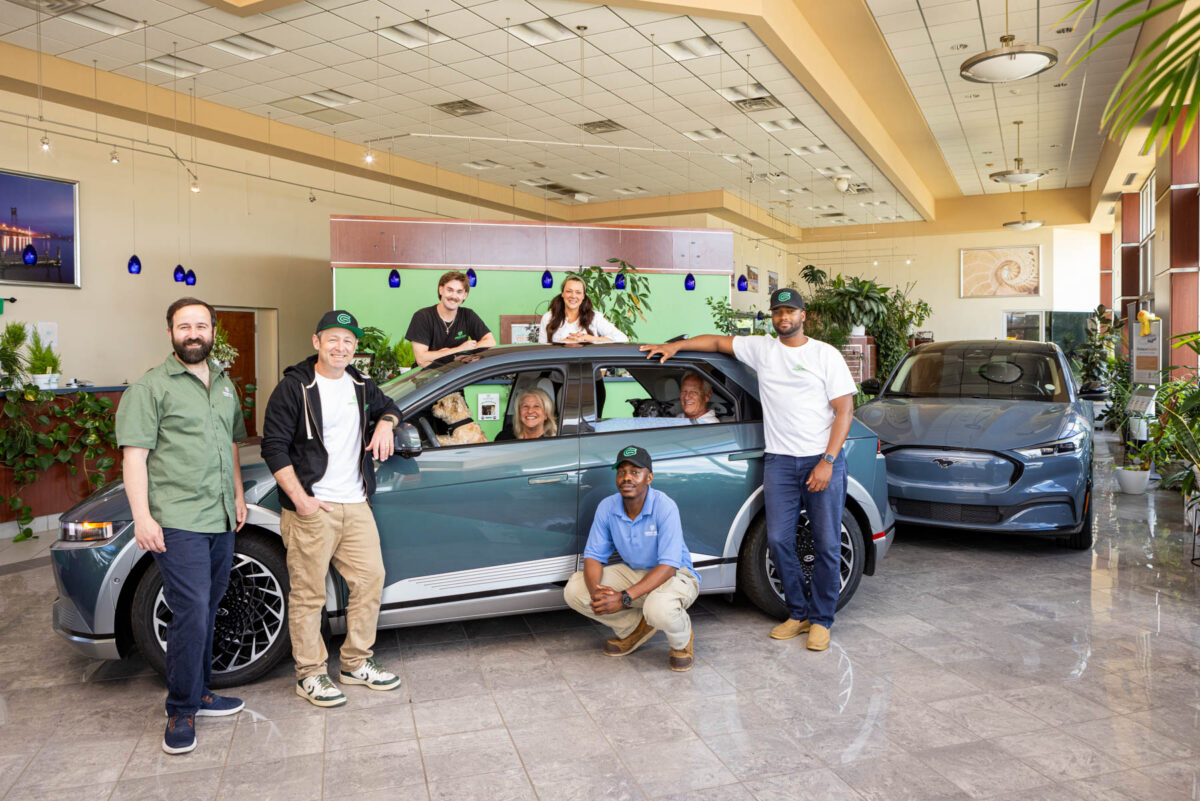
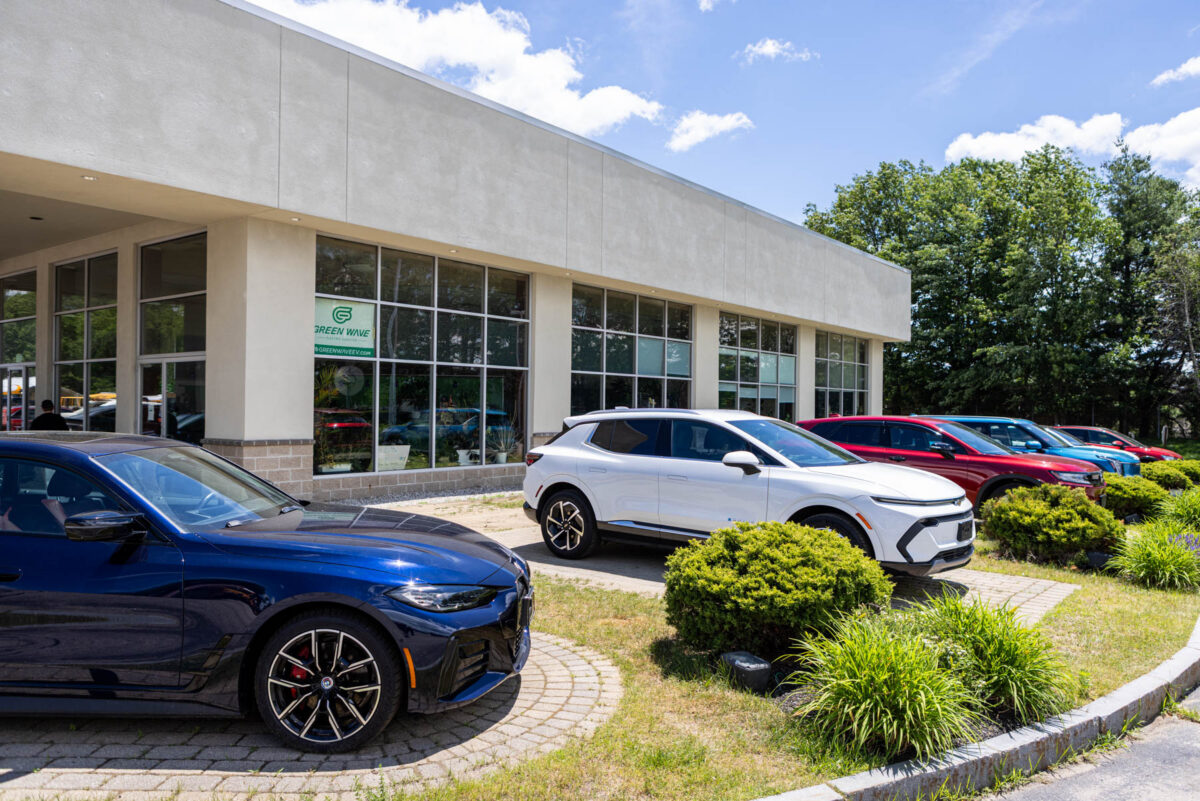
Today, Green Wave sells reused electric and plug-in hybrid vehicles and provides EV charging solutions. The company was built around a straightforward but ambitious idea: help more people make the transition to electric vehicles while creating a business grounded in sustainability and equity.
For Lore, that idea grew from experiences that began long before Green Wave.
Mobility as a Path to Stronger Communities
A New Hampshire native, Lore began his career working for nonprofit organizations serving people with disabilities. The work taught him how profoundly transportation can affect a person’s independence, relationships, and ability to participate in their community.
He later moved into the automotive industry, specializing in vehicles for people with disabilities. His work included helping develop wheelchair-accessible taxi systems in major metropolitan areas across the country, including New York City.
Those experiences gave Lore an understanding of both the automotive business and the human side of mobility. Cars weren’t simply products. They could provide access to work, healthcare, relationships, and community — an early lesson in how an industry, and the businesses within it, could either create barriers or help remove them.
Discovering a Different Kind of Opportunity
Lore came to Antioch at a turning point in his career. He was in his late 30s, had watched a colleague earn a promotion partly because of an advanced degree he himself didn’t have, and his company offered tuition reimbursement, making graduate school more attainable. He knew he wanted an MBA. When he heard an ad for Antioch’s sustainable business program on New Hampshire Public Radio, the decision became clear.
“If I’m going to get an advanced degree, it’s going to be an MBA, because I’m a business professional, and it’s going to be in sustainability,” Lore said. “Antioch just really fit that.”
Jesse Lore ’22
What followed would change more than his credentials.
An Earth science course pushed Lore to dig into climate science more deeply than he had before, including the work of the UN Intergovernmental Panel on Climate Change. “I went from being concerned about climate change to being almost terrified about what’s going to happen if we do nothing,” he said. That shift led to a personal decision: buying his first electric vehicle.
A longtime Ford loyalist, Lore had been hesitant about EVs because of their cost and concerns about driving range. But when Ford introduced the all-electric Mustang Mach-E, he ran the numbers. Factoring in fuel and maintenance savings and available incentives made an EV seem more attainable. A test drive convinced him.
Soon, Lore began thinking beyond his own experience. Electric vehicles would eventually become used vehicles, and prices would come down. With years of experience in transportation and the automotive industry, he began to wonder whether he was uniquely positioned to help more people make the same transition he’d just made himself.
Connecting People, Planet, and Profit
During his MBA studies, that question began turning into a business plan.
Lore explored the circular economy, sustainable development, and the Triple Bottom Line — an approach that considers an organization’s impact on people and the planet alongside its financial performance. He was learning about businesses built around purpose, and about consumers hungry for companies that aligned with their values.
He began applying those ideas to the industry he already knew. During his first year in the program, Lore developed a proposal for a pre-owned electric vehicle business and brought it to his employer, a company that provided wheelchair-accessible vehicles. His boss, then the company’s chief operating officer, was intrigued enough to ask him to put together a working group to explore it further. Lore assembled nine other executives — from finance, vehicle inventory, and marketing — and over six months, the group built out a full business plan, complete with financial projections, a marketing strategy, and an operating model.
The company ultimately passed on the idea.
Lore didn’t. “This is too good not to do,” he remembers thinking. “This is too powerful of a plan.”
From Business Plan to Business
By then, the idea had become difficult to let go of.
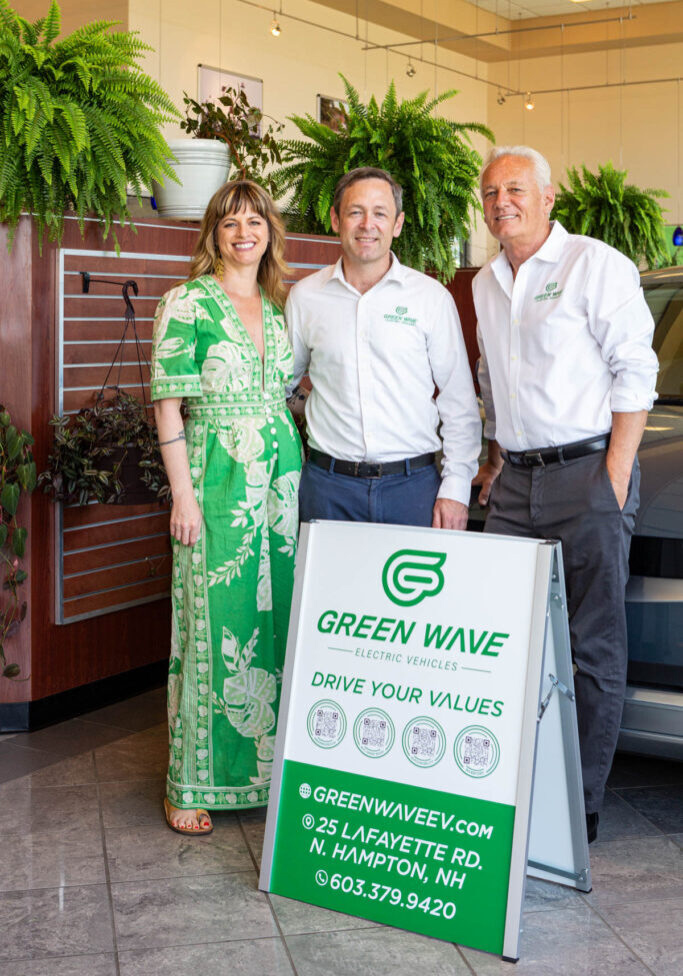
Lore left the company, partnered with his father — who came out of retirement to join him — cashed in his 401(k), signed a lease, and secured a line of credit. The pair started buying vehicles in January 2023 and opened Green Wave’s doors the following month.
Antioch remained part of the process even as the business moved from concept toward reality. While preparing to open, Lore stayed in touch with faculty about his plans. He recalls sitting in the still-empty space he’d rented, meeting over Zoom with professors who had agreed to review his business plan and help him think through the challenges of navigating his first years as a business owner.
He also points to faculty including Mary Ann Short, whose coursework on human resources and anti-oppressive business leadership left an impression on him.
For Lore, that support was part of something larger.
“Antioch was a place that aligned with my values and helped me envision a better world that I could be a part of creating,” he said.
That connection reflects an approach central to Antioch University’s MBA: successful organizations can consider financial sustainability alongside their responsibility to people, communities, and the planet. Through a Triple Bottom Line approach, students explore the mutual importance of people, planet, and profit in building and leading organizations.
For Lore, those principles became more than a way of thinking about business. They helped shape one — and, he says, pushed him to think even bigger than the work he’d already spent two decades doing. “Antioch inspired me to think bigger. What are some bigger problems facing the world that we could address?” he said.
Putting Purpose Into Practice
Today, Green Wave provides a tangible example of those principles at work.
The company has sold more than 1,500 vehicles, grown to two locations, and built a team of more than a dozen employees. Through a “give one, get one” partnership with a nonprofit, Green Wave plants 100 trees for every vehicle it sells — this summer, the company surpassed 150,000 trees planted. Green Wave has also helped install free Level 2 EV chargers at Black-owned businesses, an effort Lore says is meant “to help dismantle some of the racism and oppression that is tied into our transportation systems historically.”
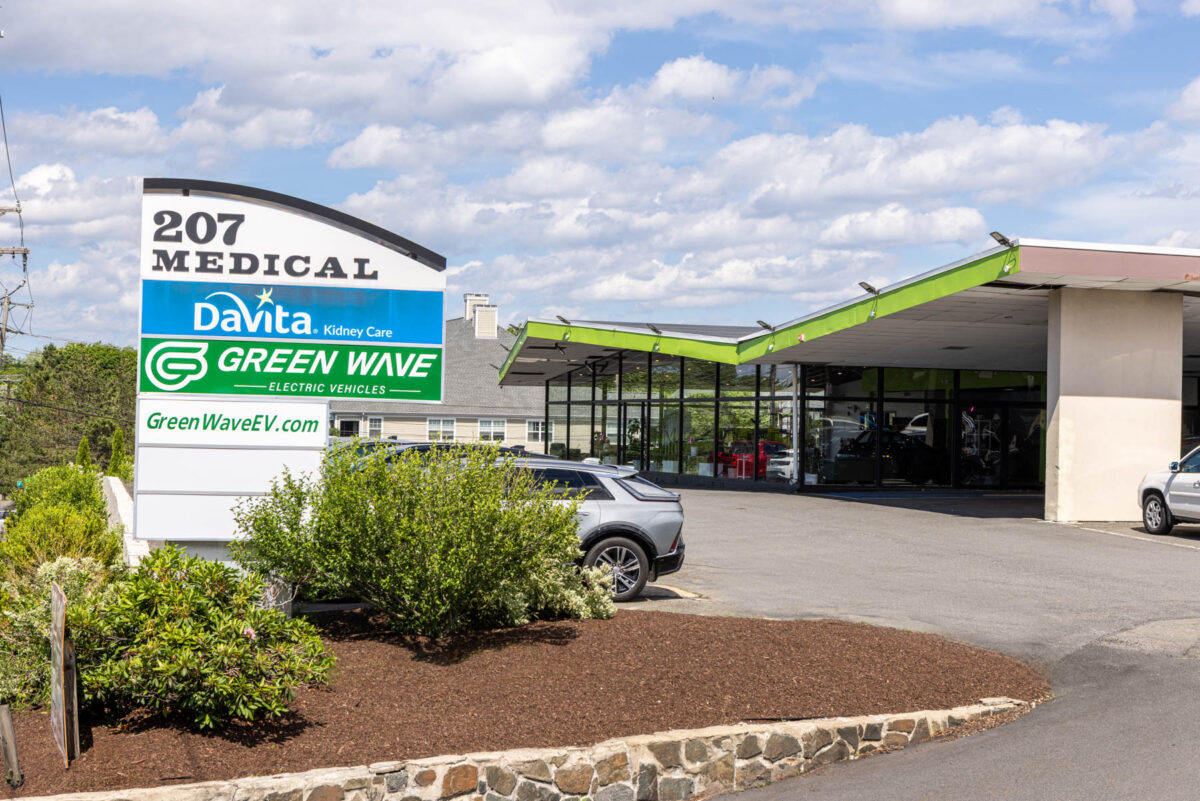
Those efforts bring together threads that have run throughout Lore’s career: mobility, access, community, sustainability, and business.
In some ways, Lore is still asking a version of the same question that shaped his earlier work: How can more people participate? Earlier in his career, answering that meant improving transportation access for people with disabilities. Today, it means helping make the transition to more sustainable transportation possible for more people.
His MBA helped him see how business itself could be part of the answer — bringing together people, planet, and profit to build something that can succeed while contributing to a stronger, more sustainable world.
Success, Lore is quick to point out, is never guaranteed. When friends tell him he’s “killing it,” he has a standard reply: “I ain’t rich yet, buddy. So come buy a car.”
The joke carries a truth that fits the business Lore has built. Profit matters. So do people and the planet.
His MBA helped him see how business itself could be part of the answer — and gave him tools to turn an idea into a business that puts his values to work.
Master of Business Administration (MBA)
Antioch’s MBA is built on a simple yet powerful idea: business should serve people, planet, and profit—the triple bottom line. This approach prepares you with the marketable skills to meet organizational goals while advancing social, economic, environmental, and racial justice.