
Forty years ago, educators and business leaders in New Hampshire asked two deceptively simple questions: What skills matter most for students to thrive in life? And what would classrooms look like if teachers intentionally centered those skills? That inquiry sparked what educators now call the Critical Skills Classroom, a teaching approach Antioch has cultivated for decades and continues to share through the Seed Field Podcast and educator-facing resources.
What is the Critical Skills Classroom?
If you’ve ever wondered, “What is the Critical Skills Classroom?” the short answer is: experiential learning in education. It puts education into a repeatable structure that builds academic learning with life skills.
The Critical Skills Classroom weaves together:
- Challenge-based learning (students learn through meaningful problems)
- Reflective teaching practices (students and teachers learn through action + reflection)
- Emotional intelligence and community norms that support collaboration
Instead of treating socio-emotional skills as add-ons, the model deliberately develops these skills through academic work, including communication, collaboration, problem-solving, organization, self-management, curiosity, and creativity. Teachers guide the process as lead learners, reinforcing the shift toward a teacher-as-coach model.
The Challenge-Based Model: Student Engagement Strategies that Work
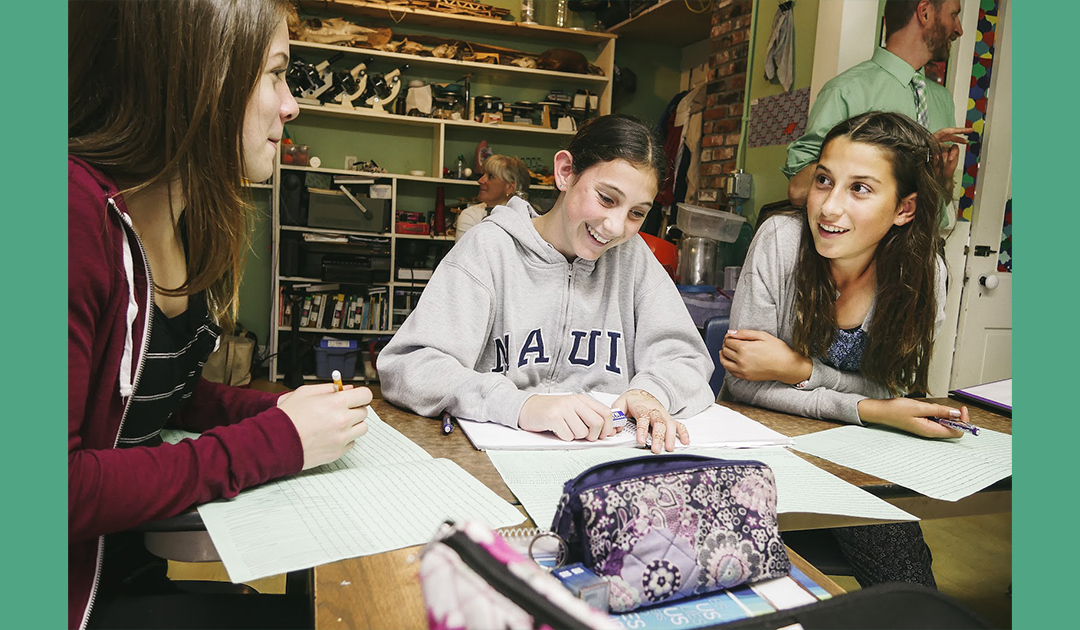
At the center of the approach sits the challenge: a real problem that asks students to plan, test, revise, and communicate. Challenges can start small. For example, seating design, shared classroom agreements, a group process check, then scale toward complex, community-connected work, such as research, presentations, civic engagement, and environmental investigations.
The learning cycle includes three steps:
- Engage in the challenge
- Exhibit learning (presentations, performances, products, demonstrations)
- Debrief through reflection (metacognition)
Students don’t just learn what to think; they practice learning—building agency, confidence, and stronger executive functioning over time. For educators seeking ways to engage students in the classroom, this cycle offers a practical, repeatable set of student engagement strategies that scales across grade levels and content areas.
Teachers Learn, Too: Professional Growth Built into the Model
The Critical Skills Classroom helps teachers design conditions for learning. Teachers build challenges that stretch students and push the teacher’s own growing edge: balancing structure with flexibility, guiding without dictating, and supporting without removing agency.
That built-in stance makes the approach especially relevant for teacher professional development. Teachers leave with more than lesson ideas—they leave with a framework for decision-making, facilitation, and reflection that strengthens practice week after week.
Why It Matters Now
Across K–12 and higher education, many educators see rising disengagement and a widening gap between what students memorize and what students can do with what they know. The Critical Skills Classroom responds with an actionable premise: students engage more deeply when learning asks them to collaborate on meaningful work, reflect on their process, and experience themselves as capable problem-solvers.
Antioch’s Role: Supporting Educators & Expanding the Work
Antioch continues to serve as a hub for the Critical Skills Classroom through the Critical Skills Classroom site and through Antioch University education programs that support working educators.
Educators can also explore Antioch pathways that align with this work, including the MEd for Experienced Educators and Antioch’s Doctor of Education (EdD).
Learn More About Critical Skills Classroom & Get Involved
- Explore tools, books, and teaching resources on the Critical Skills Classroom website.
- Listen to the Seed Field episode: “The Critical Skills Classroom Is Turning 40. Why Don’t More Teachers Know About It?”
- Browse more episodes on the Seed Field Podcast page
- Learn how Antioch prepares educators for practice-driven, reflective leadership: Explore our Education Focus Area | MEd for Experienced Educators | EdD