Since opening its doors 169 years ago, Antioch has been committed to the idea that the act of exploring knowledge in a nurturing space…
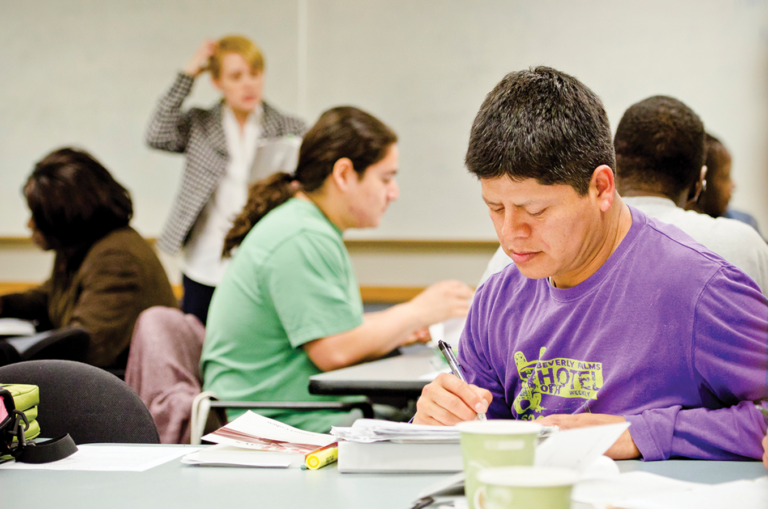

Since opening its doors 169 years ago, Antioch has been committed to the idea that the act of exploring knowledge in a nurturing space…
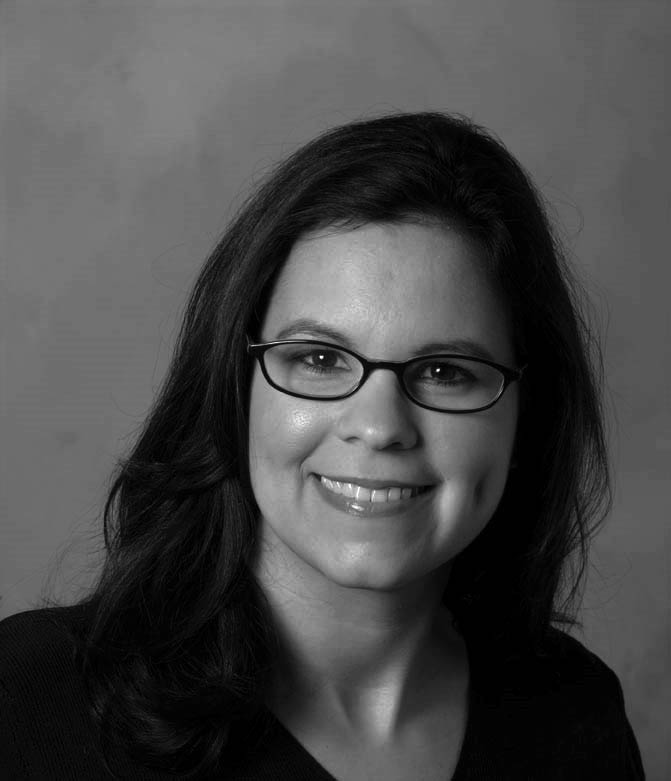
Generations of Latinx people in the United States have faced discrimination, racism, and many other sorts of oppression…
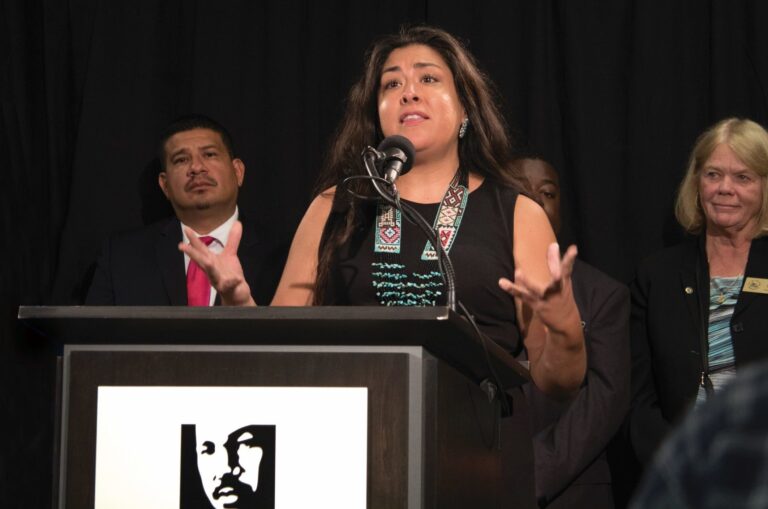
Earlier this year, Colleen Echohawk ’09 made her first big foray into politics…
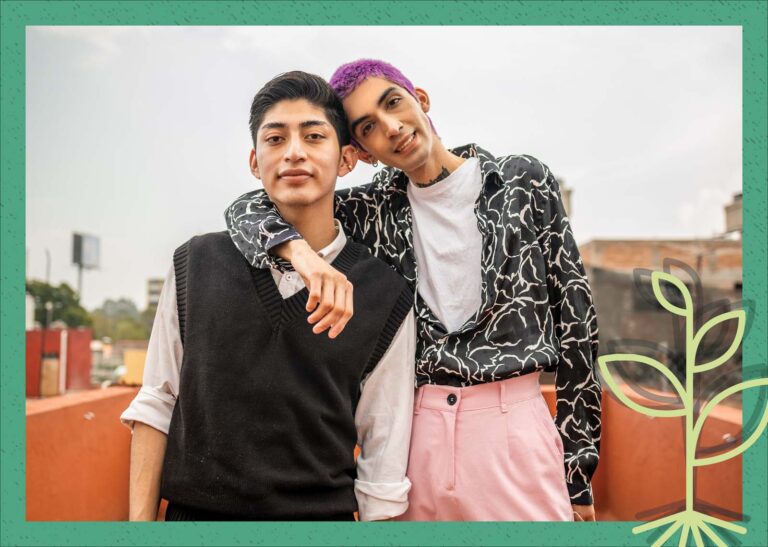
everyone. In this episode, we talk with Dr. Mariaimeé Gonzalez about the work she is doing to make sure that counseling for Latinx communities is done by diverse individuals who understand the unique issues they face here in the US.
Dr. Rachel Oppenheim, Associate Dean of our Graduate School of Education, and Kyla Crawford ’13, ’17 (Seattle, BA; Seattle, MA in Teaching) and a teacher-librarian in the Tukwila School District,…
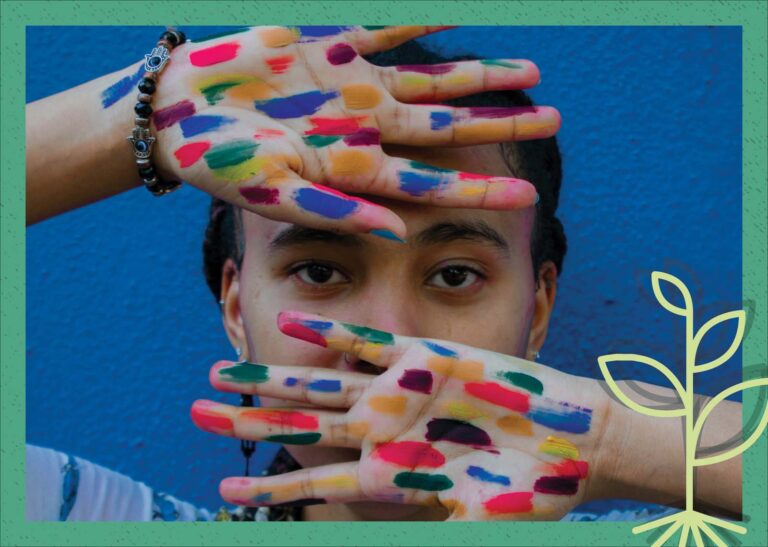
Words sometimes limit our ability to express ourselves and our experiences, however, using art in a therapeutic space provides an opportunity for a different kind of communication. In this episode, we talk with two practitioners and professors of art therapy, Amy Morrison and Beth Donahue, about the benefits of this alternative and engaging form of therapy, and how their new online program has made this profession more accessible than ever.

Do you know where your food comes from? Whether it is the food we are getting at a grocery store, farmer’s market, restaurant, or our backyard, understanding the way food is produced and the larger systems it is a part of can help us fight for more sustainable and equitable access to food. Scholar and dedicated food educator Jon Garfunkel talks with guest host Mair Allen about the ways that acts like reclaiming public spaces for gardening, having conversations with local food providers, and volunteering to help to feed your community can help us understand and correct problems in the food systems we currently depend on—both locally and globally.
At the 2019 annual conference of the National Council of School and Programs of Professional Psychology (NCSPP), an organization that brings together psych educators from graduate programs in psychology across…

Generations of Latinx/e people in the United States have faced discrimination, racism, and many other sorts of oppression. Although these are ongoing injustices, the COVID-19 pandemic and the national movement…
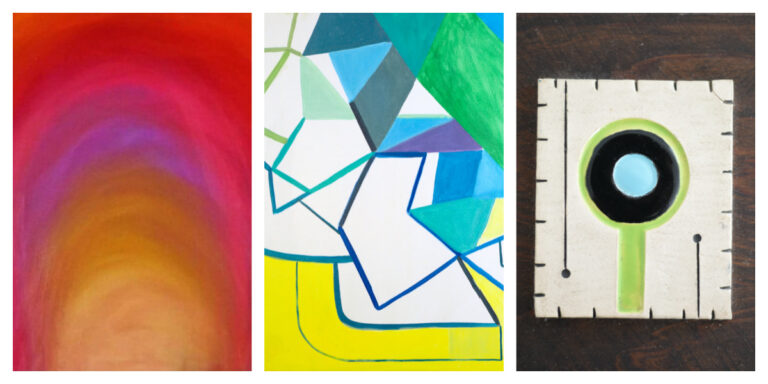
Just as she brings creative empowerment to underserved spaces, in teaching Antioch students/artists how to thrive, Gabrielle Abbott is igniting the next generation of creatives, showing them how to leave…

Antioch Seattle Faculty Member Illuminates Disparities in Access to School Librarians A Study Triggered by Decline In the school library world no one would be shocked at data finding librarian…
Suzanne Edison ’82, ’76 (University Seattle, MA, and Yellow Springs & Baltimore, BA in Psychology and Dance) was appointed to the position of Mental Health Coordinator at the Cure JM Foundation….