

Antioch University hosted its first RCT@AU community-wide event, “Nobody Does This Work Alone: The Role of Relationships in Advocating for Social Change,” a virtual gathering featuring an award-winning author and a panel of Antioch faculty. The event, which took place on October 10, 2025, is part of a new initiative in partnership with the International Center for Growth in Connection, where, together, we are creating spaces for relational practice to thrive across disciplines, strengthen community, amplify voices, and promote social change.
The virtual event kicked off with a presentation from award-winning author Elaine Weiss. She discussed lessons from her book, Spell Freedom: The Underground Schools That Built the Civil Rights Movement. Weiss’s book chronicles an era beginning in the 1950s, when White Supremacy structures and policies seemed insurmountable. In her talk she shared how emergent leaders, including Septima Clark, a schoolteacher; Esau Jenkins, a bus driver, at the time the story begins; Bernice Robinson, a beautician; and Myles Horton, founder of the Highlander Folk School, created what they called Citizenship Schools. Through this vast, largely secretive network of schools, Black southerners learned to read and write, and were otherwise prepared to register to vote and become activists in their own communities and beyond.
The discussion continued with expert panelists and professors from Antioch’s Education, Clinical Mental Health Counseling, and Graduate School of Leadership and Change programs: Kimberly Hardy, EdD, Cathy Lounsbury, EdD, and Fayth Parks, PhD. They built on Weis’ themes. Hardy called on participants to “go to the mountain,” reminding them of the importance of relationship-building and how feelings of zest and desire for more connection encourage positive social change.
At the event, Lounsbury said, ”It’s not about individual characters and isolated heroes, but rather the networks of ordinary people, like the people on the call, that discovered extraordinary courage through connection.“ The power of positive emotions also plays an influential role in building connections for social movements.
“Democracy is a collective action,” said Parks. “In an unprecedented moment in America, we must gather…and emotional bonds form when we celebrate together, are curious about one another, and when we feel joy and happiness with each other.”
These emotional bonds, the connective fibers to move from feelings of isolation into connection, are the foundational principles of Relational Cultural Theory (RCT). This theory says that growth and change do not happen in isolation but through the power of connection and the transformative nature of relationships built on mutuality. Mutual empathy and empowerment echo beyond the confines of the relationship and create significant social change. When people feel connected, courage grows, dignity is affirmed, and the power of many amplifies. As founding RCT scholar Judith Jordan said at the event, “Affirming connection is social action.”
“Nobody Does This Work Alone: The Role of Relationships in Advocating for Social Change” was invigorating. Participants felt seen and inquisitive, and left energized by a shared desire for more connection. More than 90 people attended this virtual event—including Antioch students, alumni, staff, faculty, and community members. We look forward to your attendance at the next event on March 10. Your engagement makes these types of programs possible. If you want to learn more about Relational Cultural Theory and the RCT@AU events, we invite you to explore the links provided and sign up for the International Growth in Connection Newsletter to learn about upcoming events and monthly programming.
- Studying and advancing RCT at Antioch University
- International Center for Growth in Connection (ICGC) and sign up for the ICGC Monthly Newsletter
- Spell Freedom: The Underground Schools that Built the Civil Rights Movement
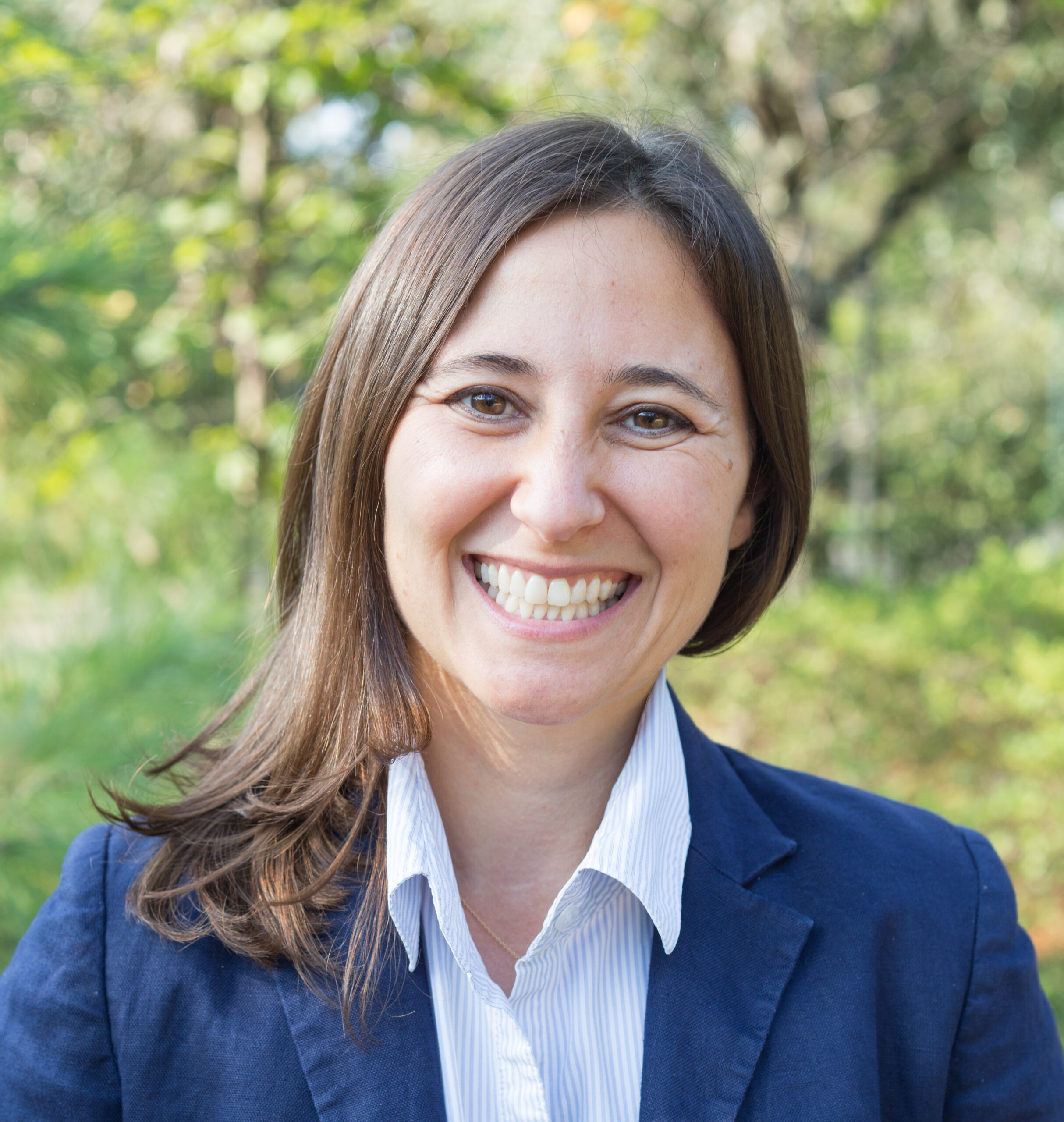
Ileya Grosman
Ileya N. Grosman is an artist-scholar-practitioner focused on connection through relational teaching and leadership. She earned her PhD in Leadership and Change from Antioch University, researching growth-fostering student–faculty relationships. She brings nearly two decades of experience across education, organizational, and community contexts and currently works at the University of Denver teaching relational, arts-based leadership. She is the inaugural recipient of the Relational Cultural Theory Fellowship through Antioch University and the International Center for Growth in Connection.