
A 9-credit certificate, offered online and in person, focused on understanding human responses to environmental issues and fostering meaningful change.
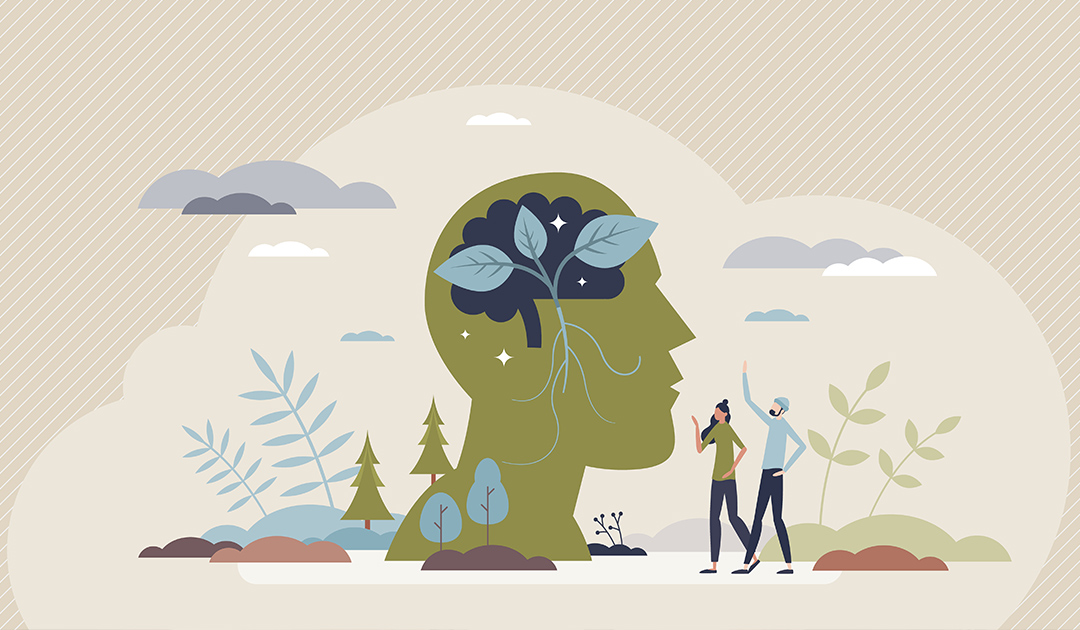
The dual challenges of climate change and biodiversity loss are among the most urgent and complex issues affecting the well-being of both human and nonhuman communities. Conservation psychology offers a critical lens for understanding how people perceive, value, and interact with the natural world, illuminating how social, psychological, and contextual factors shape environmental behavior and decision-making. Through this lens, certificate students will develop the skills and competencies to foster meaningful change by understanding how people process environmental risks and supporting decision-making and behavior change that benefits both people and place. n. Antioch University’s Conservation Psychology Certificate is a 9-credit program designed to strengthen environmental communication, education, and advocacy so your work lands with real communities and creates measurable change.
Who Should Enroll and What You’ll Learn
Ideal for:

- Environmental professionals who want to connect more meaningfully with the people they serve
- Educators and practitioners working in formal and informal settings, communities, and place-based settings
- Advocacy and outreach practitioners navigating complex social dynamics across diverse audiences and experiences
- Individuals curious about how the bidirectional relationship between people and place shapes well-being and environmental outcomes
You will build skills in:
- Communicating in ways that resonate across values, identities, and lived experiences
- Meeting people where they are with cultural competence
- Designing, facilitating, and evaluating programs that foster meaningful engagement
- Leveraging conservation psychology to shift norms and support durable change
Program Structure, Delivery, and Logistics
- Credits and eligibility: 9 credits. Open to matriculated and non-matriculated students. Matriculated students may earn a dual credential with the MS in Environmental Studies.
- Timeframe: Finish in about 32 weeks.
- Delivery modes: Online (synchronous with some asynchronous work) and in person. Options include weekly meetings or field-based/campus intensives that suit working professionals.
Try-Out Option and Flexibility
Test the fit before you commit. You can take up to 3 credits in a semester at a reduced rate. If you continue, those credits transfer into the Environmental Studies MS degree.
Cost, Tuition, and Financial Aid
- Tuition: $840 per credit
- Total: 9 credits Financial aid and student support are available for eligible learners. Our team can help you map funding to your timeline.
Career Outcomes and Sectors
Graduates work across:
- Private consulting and research firms
- Regulatory and compliance roles
- Conservation institutions and land trusts
- Formal and informal education settings
- Government agencies and community programs
- Advocacy organizations and the arts
You will leave with stronger communication, cultural competence, and evaluation skills that will increase the impact of conservation initiatives.
How to Apply
- Requirements: Transcripts and a resume or CV. No GRE required. International applicants or applicants without a bachelor’s degree may have additional steps.
- Start terms: Summer, Fall, and Spring
- Next step: Speak with the program director or an admissions counselor to plan courses and delivery mode.
Why Antioch University

Antioch brings long-standing strengths in environmental studies and sustainability, faculty with deep practice in community engagement, and resources through centers and partnerships that support applied learning. The university’s values emphasize equity, inclusion, cultural competence, and healthy human–environment relationships.
Conservation succeeds when people are at the center. In less than a year, you can gain the human skills that make conservation programs effective and lasting, with flexible online or in-person options.
Ready to begin? Contact Antioch University to learn more, try a course, or start your application today.