

This essay is part of Antioch Voices, a forum for Antiochians to speak out about issues important to them. Opinions expressed here belong to the author alone and do not necessarily reflect the official position of Antioch University. If you’d like to share your own voice, the first step is to send a short description of what you are planning to write about to [email protected].
In April of 2023, I was fortunate to attend a World Waldorf Teachers’ Conference in Switzerland, where nearly 1,000 Waldorf teachers from around the world gathered to share experiences and discuss the current issues facing Waldorf education. As anyone who attends such conferences knows, it is often the encounters outside of the formal proceedings that bring the deepest revelations and connections, and this was certainly my experience.
Janet Manoni and I met at a workshop, and our first conversation was a deep discussion of how Waldorf education, which was founded in Europe, could become “more African.” The conversation continued via Zoom meetings and phone calls after the conference, and four months later, I was invited to visit her school in Tanzania, now known as Mama na Mwana Foundation. What I experienced during my visit was nothing short of remarkable – local children from the village attending classes with children facing the challenges of living with spina bifida, cerebral palsy, and hydrocephalus. Through heartfelt conversations in which Janet shared her hopes and vision, the dream of founding a training for teachers who work with fully inclusive Waldorf classrooms in East Africa was born. An article about our budding work was published that fall: Dar es Salaam, Tanzania: A Chance Encounter that Was Not by Chance.
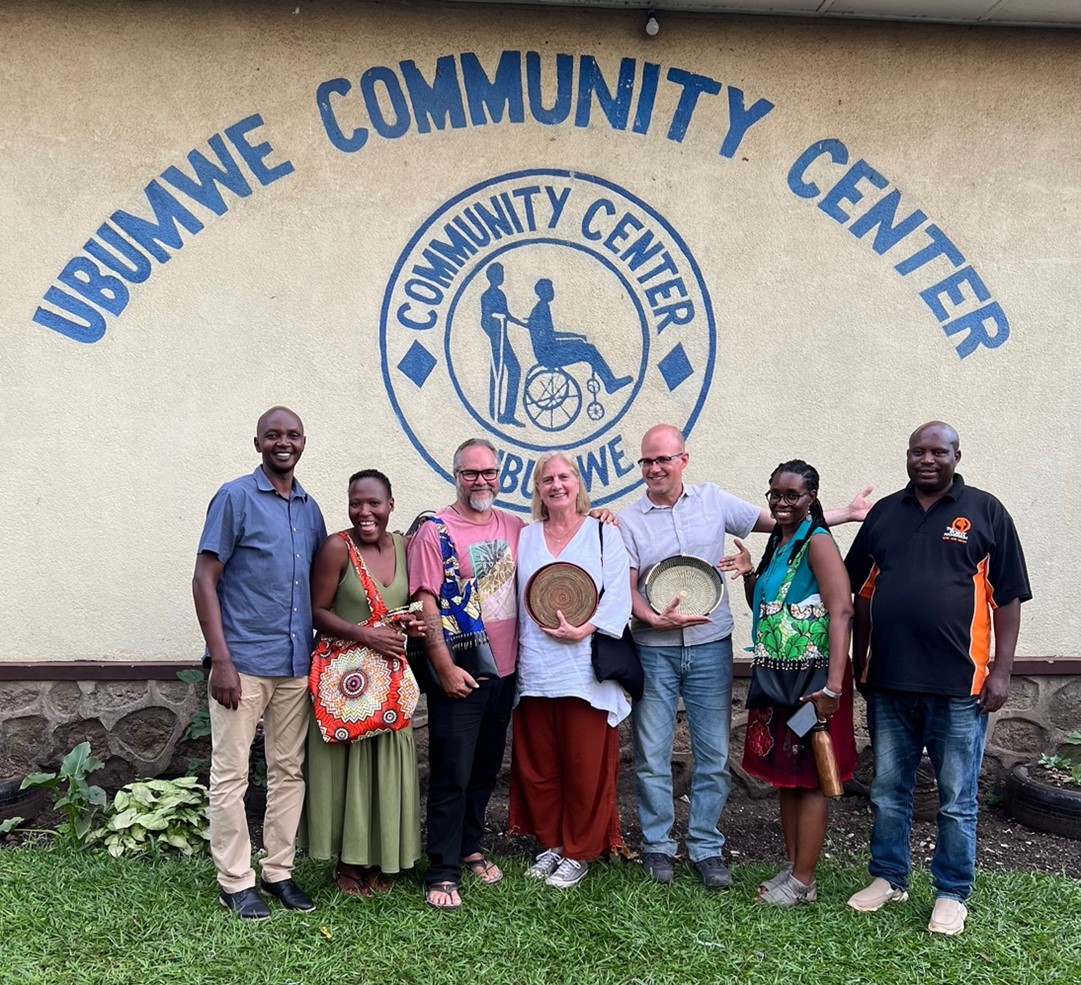
Following my visit to Janet’s school, it was clear to the two of us that a larger circle of colleagues was needed to make this dream of providing training for the teachers at her inclusive Waldorf school a reality. It was also clear that this dream needed support from both the Camphill movement and the Waldorf movement. By connecting with Jan Göeschel, of Camphill and the Goetheanum, we learned that a parallel dream had been growing for a program in Rwanda. Our two groups were soon joined by colleagues from Botswana with a similar dream. Thus, in February 2024, eight colleagues from five organizations, Ubumwe Community Center (Gisenyi and Mwogo, Rwanda); Mwanangu Development Tanzania (now Mama na Mwana Foundation) (Vikindu, Tanzania); Camphill Community Trust (Otse, Botswana); Center for Anthroposophy/Antioch University (Wilton, NH); Camphill Academy (USA and Switzerland), met for a week in Rwanda to consider whether we could come to a common vision.
We started the week by asking the three organizations what their specific needs were. It was soon clear that the need for fully inclusive education was truly the dream, and given the rise in differentiated needs we were seeing in classrooms in other countries, we knew this project could also possibly serve as a model for school communities and teachers worldwide. During the intensive week in Rwanda, the eight Core Faculty and Coordination Group members reached agreements regarding the fundamental approach, the objectives, and the structure of a three-year training program for teachers working in inclusive Waldorf classrooms in East Africa. In the following months, a Memorandum of Understanding was signed by the five partner organizations, and fundraising efforts yielded enough support for the first pilot module to begin in July 2025. The first residency took place in Vikindu, Tanzania a month later, with 13 faculty members and 31 participants, including two participants who joined us from Camphill Village West Coast in South Africa. The second residency was just completed early this January in Gisenyi, Rwanda, with 35 participants and nine faculty members. Between the residencies, participants and faculty members have been, and will continue to, meet weekly in various configurations to continue the work of each residency. April 2026 residencies are currently in the planning stages.
It’s hard to believe that the stars were aligned such that Janet and I met in April 2023, I visited Tanzania in August 2023, a group of eight colleagues met in Rwanda in February 2024, the first pilot module of the program, known as Camphill Academy Afrika, was held in Tanzania in August 2025, and the second residency has just taken place in Rwanda in January 2026. The third residency will take place in each of the three organizations in April 2026. All of this has taken place in just three short years, across three continents. Clearly, there is a need for this work in the world today.
On the opening day of Camphill Academy Afrika, July 7, 2025, Janet Manoni told our story:
The journey of Camphill Academy Afrika began not with policy or paperwork, but with a dream—a vision deeply rooted in the soil, soul, and spirit of Africa. It was a yearning to cultivate a truly African-based Waldorf inclusive education—one that honors the genius loci: the sacred essence of our land, our people, our animals, plants, and minerals. This impulse was first stirred in a moment of grace: two women, strangers until they shared a seat at a workshop, recognized each other not merely as kindred spirits, but as long-lost soul sisters. Reunited by a divine current, they saw the shape of a shared destiny—a mission to awaken African wisdom through education. In beautiful synchrony, this same pulse was felt in Rwanda, where three brothers came together with a mirrored aspiration. Though their paths had been separate, their hearts were aligned—each carrying a piece of the same cosmic blueprint. From that convergence of souls—eight flames across nations—a movement was born. Not simply a training program, but a living impulse: to weave anthroposophy with African wisdom, and create an academic journey that does not impose, but emerges organically from African realities. Today, Camphill Academy Afrika stands as a testament to unity, intention, and ancestral guidance. It is more than an initiative—it is a homecoming for those called to serve humanity through healing, inclusion, and transformation rooted in Africa’s cultural soil. So we are a consortium of African and international partners working under the Camphill Academy’s Continuing Education Program.
(Full text of Janet’s opening address can be found on the Camphill Academy Afrika homepage, where additional information about the program can also be found.)
I have been honored to be part of this journey and have learned more than I can adequately communicate from collaboration with our African colleagues and participants. Our long-term vision, however, is for this program to be held fully by our African colleagues in the future.
It is our sincere hope that our story inspires support for our work. We have made a commitment that our participants contribute by coordinating residencies when we come to their organizations, but they do not pay tuition. Most faculty members coming from outside Africa are volunteering their time. If you would like to support this program, you can do so by making a donation to the Fonds für Heilpädagogik und Sozialtherapie Dornach or the Camphill Foundation (U.S.) for the benefit of “Camphill Academy Afrika.”
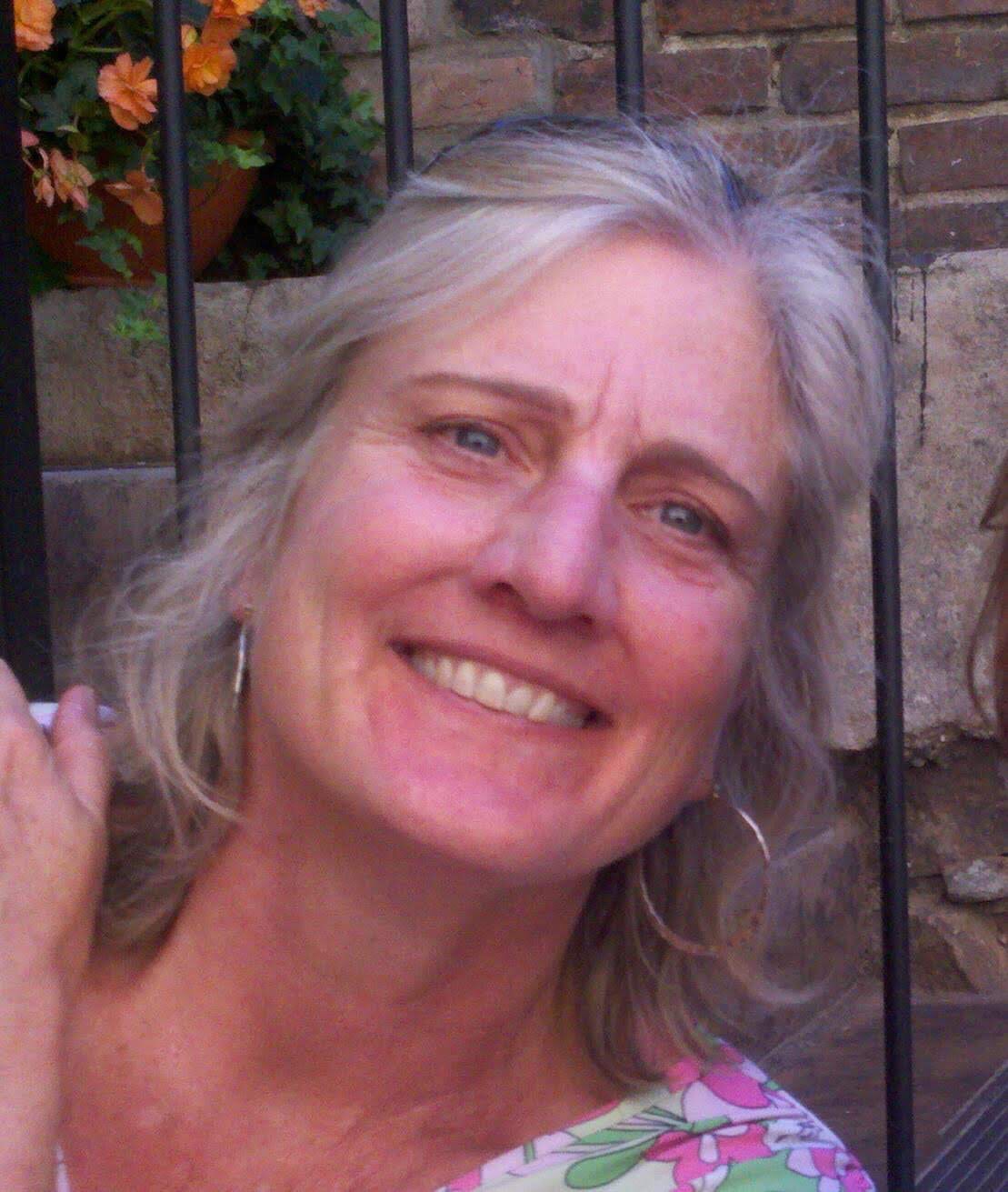
Carla Beebe Comey
Carla Beebe Comey joined the faculty of the Antioch Education Department in 2016. Over the past 26 years, it has been her joy to serve as an eurythmy teacher, class teacher, math teacher, drama teacher, faculty chair, college chair, and faculty administrator at Waldorf schools in Massachusetts, Oregon, and Colorado. She has also been a Waldorf mentor and evaluator, as well as an AWSNA delegate and accreditation team member. She was honored to serve on the General Council of the Anthroposophical Society in North America, 2011-2017. She is currently the Concentration Director for the Waldorf Teacher Education Summer Sequence program.