Coastal Geoecology is a field study course in the AUNE Environmental Studies Department in which students explore coastal geomorphology and ecology using Cape Cod as a model system. This course…
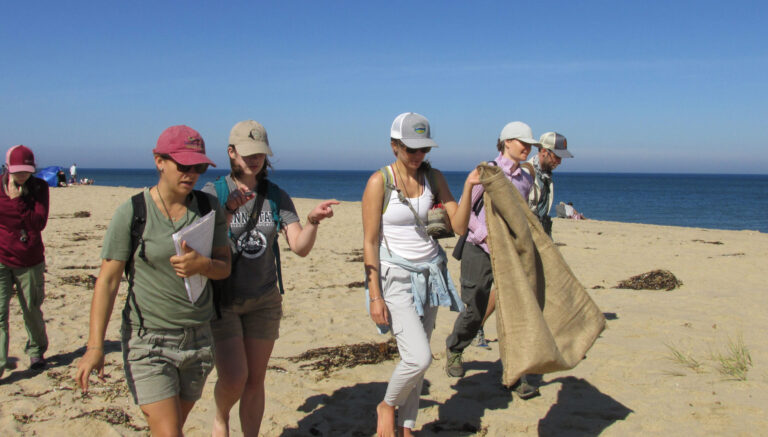

Coastal Geoecology is a field study course in the AUNE Environmental Studies Department in which students explore coastal geomorphology and ecology using Cape Cod as a model system. This course…
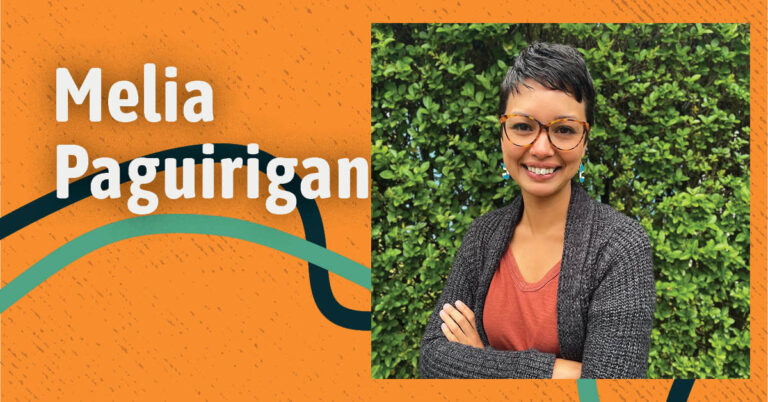
“Growing up as a person of color in a predominantly white town, there were many instances and reasons where I felt like I was on the outside, like I didn’t…
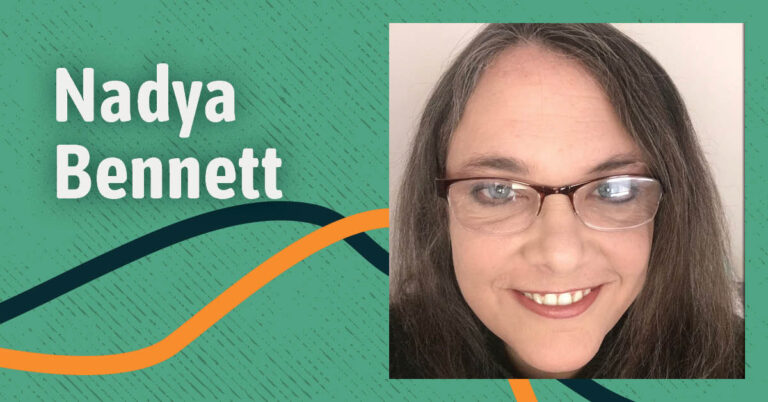
Nadya Bennett views the optimization of messaging and communications as essential tools for positive change. A PhD in Environmental Studies candidate working within Antioch University New England’s Conservation Psychology program…
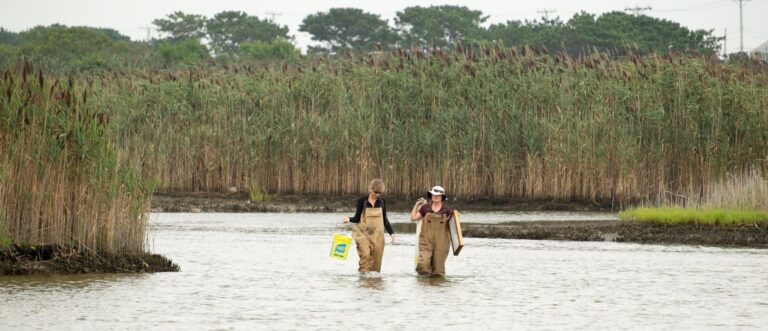
A Systems Ecologist about the Ground There is a whole world invisible to the eye. Day after day, this complex system operates without supervision, breathing and cycling and nurturing everything,…
Laurel Dodge ‘93 (New England, MS) is the newly hired gallery manager for River Arts in Damariscotta. Read the full story in the Boothbay Register or in the Village Soup.
Climate Resilience Certificate student Jessica Hench was selected to present at FEMA’s first student showcase as part of their Resilient Nation Partnership Network on April 28, 2021. Her presentation, Utilizing…

In this episode, Dr. Gina Pasquale shares insights into what this year has been like for children all over the country, and provides some invaluable strategies for supporting not only children but all of the people we care about, as we face the next big transition – and the rest of our lives.
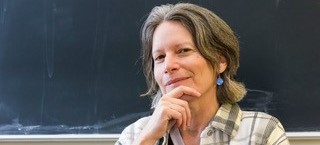
Jane Paul Jenny Price is an esteemed environmental historian, public artist, and author. She has contributed to and taught in our AULA MA in Urban Sustainability and the MFA in…
Jennifer Lovett ‘14 (New England, MS) is a Protect Our Wildlife board member and contributed their new bear report, which challenges Vermont’s approach to hunting its way out of bear…
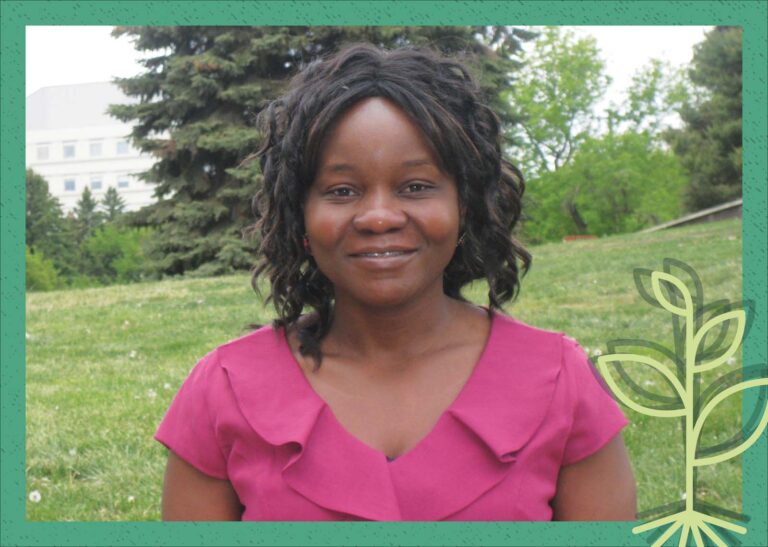
“We need to expand our understanding of the word environment,” says Dr. Jean Kayira, a scholar of sustainability and Indigenous Knowledge. “In my view, environment is really about interconnectedness and the interdependence of everything.” Jean directs Antioch’s PhD in Environmental Studies, and she is a leader in this interdisciplinary field that tries to deepen our understanding of the world – and to keep the world from changing it so much that it’s no longer hospitable. In this episode, Jean shares with us why multiple knowledge systems are better than just one, how dancing on mountaintops can be part of rigorous scholarly inquiry, her passion for the Malawian concept of umunthu, and the importance of planting seeds (sometimes literally) in your own community.
Dr. Claudia J. Ford ’86, ‘15 (San Francisco, MA; New England, PhD), SUNY Postdam Interim Chief Diversity Officer, has been named to the 2021 Millennium Leadership Initiative, a premier leadership development…
Dr. Yves P. Gakunde ’20 (New England, PhD in Environmental Studies) and ’12 (New England, MS in Sustainable Development and Climate Change) assumed the position of Purchasing and Contract Services manager for the…