
This essay is part of Antioch Voices, a forum for Antiochians to speak out about issues important to them. Opinions expressed here belong to the author alone and do not necessarily reflect the official position of Antioch University. If you’d like to share your own voice, the first step is to send a short description of what you are planning to write about to [email protected].
I have this vivid childhood memory of walking into our public library and heading to the children’s section through a hallway that was glass on one side. I remember the warmth of the air and the brightness of the sun as I practically skipped toward the room filled with books. Another core memory, and one I tell all the time, is when I won a bookmark contest at that same library. I was seven. My winning slogan was, “One for all, all for free—Libraries!” I think even my mother was surprised I won, but she dutifully framed the bookmark and hung it on our dining room wall for years.
Those two memories are likely what set me on the path toward a career in school librarianship, and now, to my role as core faculty in the Antioch Library Endorsement Program. Along the way, I’ve served as president of the Maryland Association of School Librarians and on numerous national library committees. I can honestly say that becoming a school librarian was one of the best decisions I’ve ever made.
Which brings me to why I’m writing this essay: there is an ongoing attack on our public and school libraries, one that I believe is an attack on our very society. Across the country, school districts are cutting library programs to save money. Communities are slashing funding for public libraries for the same reason. All too often, people have an outdated image of libraries: someone sitting behind a desk, stamping books, and shushing anyone who dares to speak above a whisper. That couldn’t be further from the truth. Libraries, both school and public, are vibrant, inclusive spaces where everyone can feel welcomed, seen, heard, and valued.
When a school library is staffed by a certified school librarian (a teacher who also holds a library science degree or endorsement), students gain essential skills such as digital citizenship, information literacy, and research strategies. Shelves are filled with books students actually want to read. Literacy is promoted. Students are introduced to STEM concepts through makerspaces and coding activities. And perhaps most importantly, they’re given the space to discover who they are and what they love; opening the door to becoming lifelong learners.
When access to a school library is removed, my friend and fellow school librarian Steve Tetreault calls it what it is: educational malpractice. Not having a certified school librarian sets students up for fewer opportunities, lowers the chances they’ll become lifelong library users, and leaves them unprepared for the demands of college or the workforce. Even more alarming, it leaves them vulnerable in a world filled with deepfakes, AI-generated misinformation, and malinformation. When schools fail to teach these essential literacy skills, it’s not just a missed opportunity; it’s a disservice.
I grew up in a place that wasn’t walkable. To get to the public library, I had to rely on my parents for transportation. And while I was fortunate, they took me often; not every child has that privilege. Sometimes, the school library is a child’s only access to books. I’ve heard people at board of education meetings claim that if school libraries close, parents can just order books from Amazon. That statement is dripping with privilege. Not every family can afford that or even wants to. School libraries can mean the difference between having books in the home and not.
Still not convinced? Let me share a story. My friend Donna Mignardi is a high school librarian at Calvert High School in Prince Frederick, Maryland. She’s passionate about getting the right book into the hands of the right student. After leading a “book tasting” with a class, one student came back a few days later and told her, “I’ve never read an entire book in my life but thanks to you, I found the perfect one.” She’d read it in just two or three days and came back asking for another by the same author. That’s the power of a school librarian: the right book at the right time.
I also remember speaking with the principal of that school after a student literally walked right into him in the hallway because he was so engrossed in a book he was reading while walking. The principal asked me what was happening, and I replied, “Your school librarian is happening, that’s what.”
Though I’m not a public librarian, I’m a regular public library user and serve on the board of the Friends of the Library where I live. Public libraries are so much more than just books. They provide essential services and serve as one of the last public spaces where no purchase is required to participate. You can use computers, make copies, apply for or renew a passport, explore a makerspace, borrow equipment (yes, fishing rods, sewing machines, cake pans), record podcasts, attend programs, and so much more. Many libraries offer outreach for seniors and homebound patrons. Bookmobiles bring materials to neighborhoods. Libraries provide free access to newspapers, magazines, eBooks, research databases, genealogy tools and yes, books. They offer programs for kids, teens, and adults. And if all of that weren’t enough, they also provide a sense of community.
Here’s what I want to leave you with: school and public libraries serve their communities in countless, vital ways. They are cornerstones of both our school systems and our local infrastructure. If you visit a public library, thank the staff for all they do. If your child attends a school with a certified school librarian, ask what they learned in the library, and don’t settle for “nothing” as an answer. If your school community lacks a certified school librarian, ask why and advocate for change.
Our future depends on it.
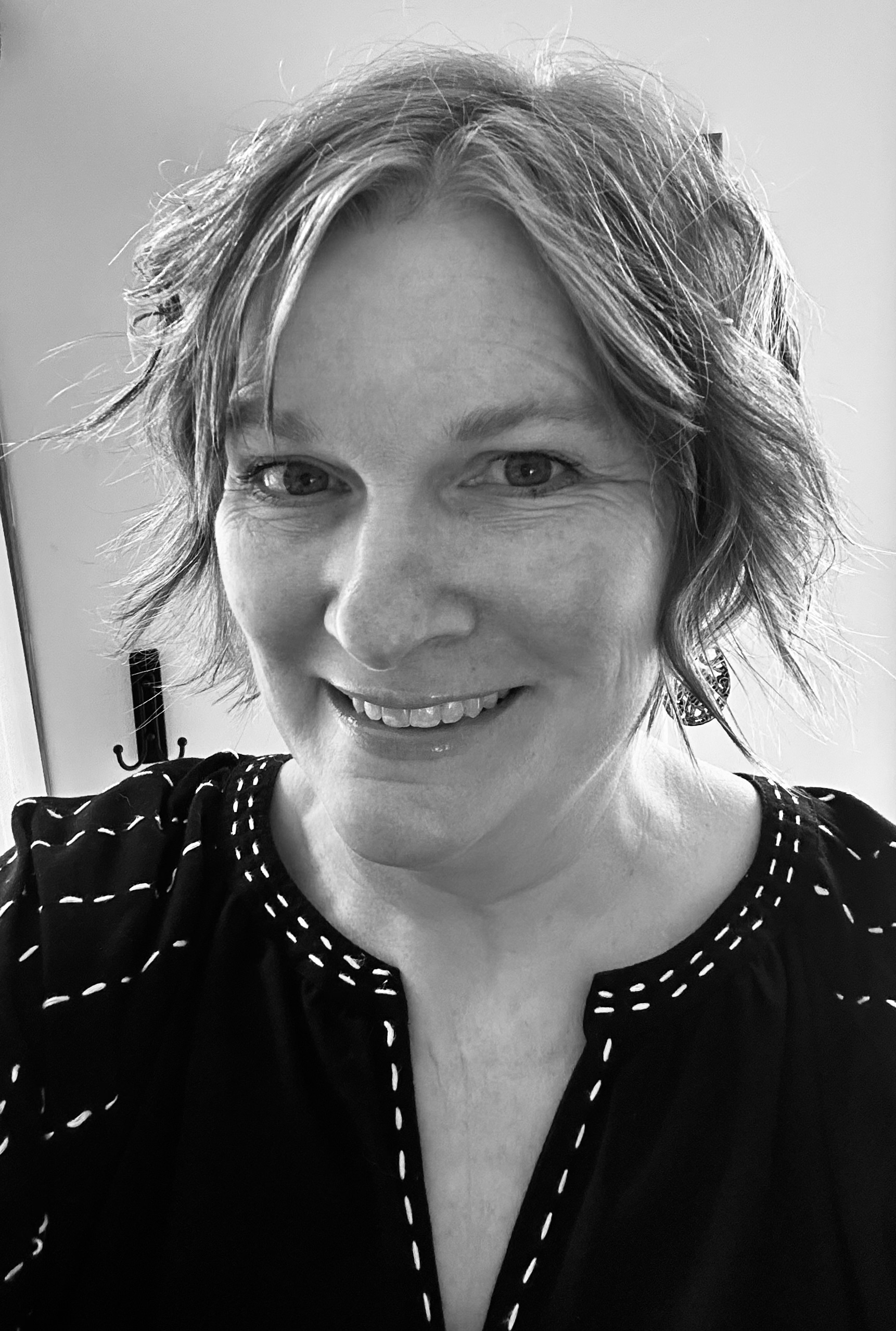
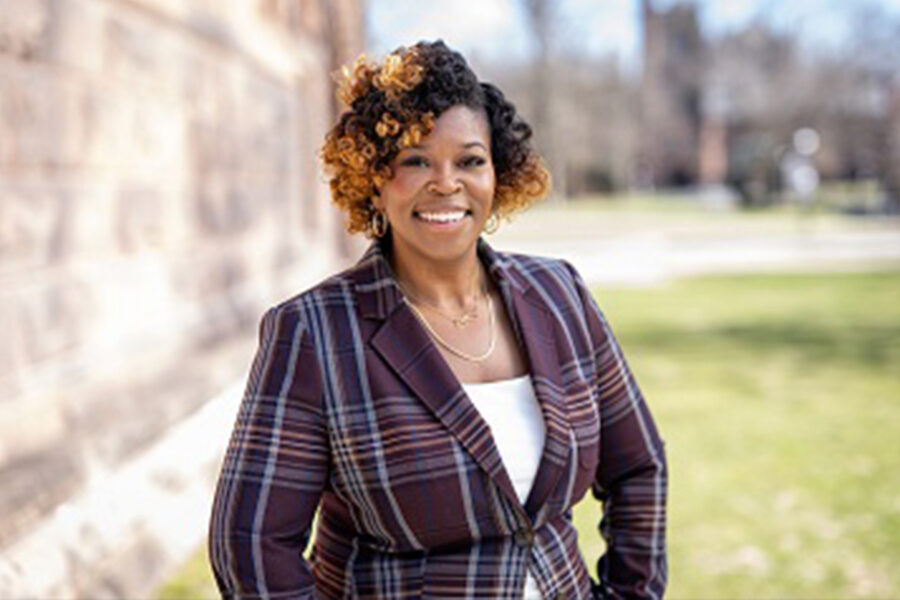
Jennifer Sturge, EdD
Jennifer Sturge, EdD, is the Director and Core Faculty of the Library Media Endorsement Program at Antioch University. She is active in the American Association of School Librarians, has served as president of the Maryland Association of School Librarians, and is a member of the Oregon Library Association, Washington Library Association, and Pennsylvania School Library Association. She was also named a 2018 Lilead Fellow. Sturge currently resides in the Pennsylvania Wilds with her husband and enjoys watching the deer, turkey, and occasional bear wander through the backyard.